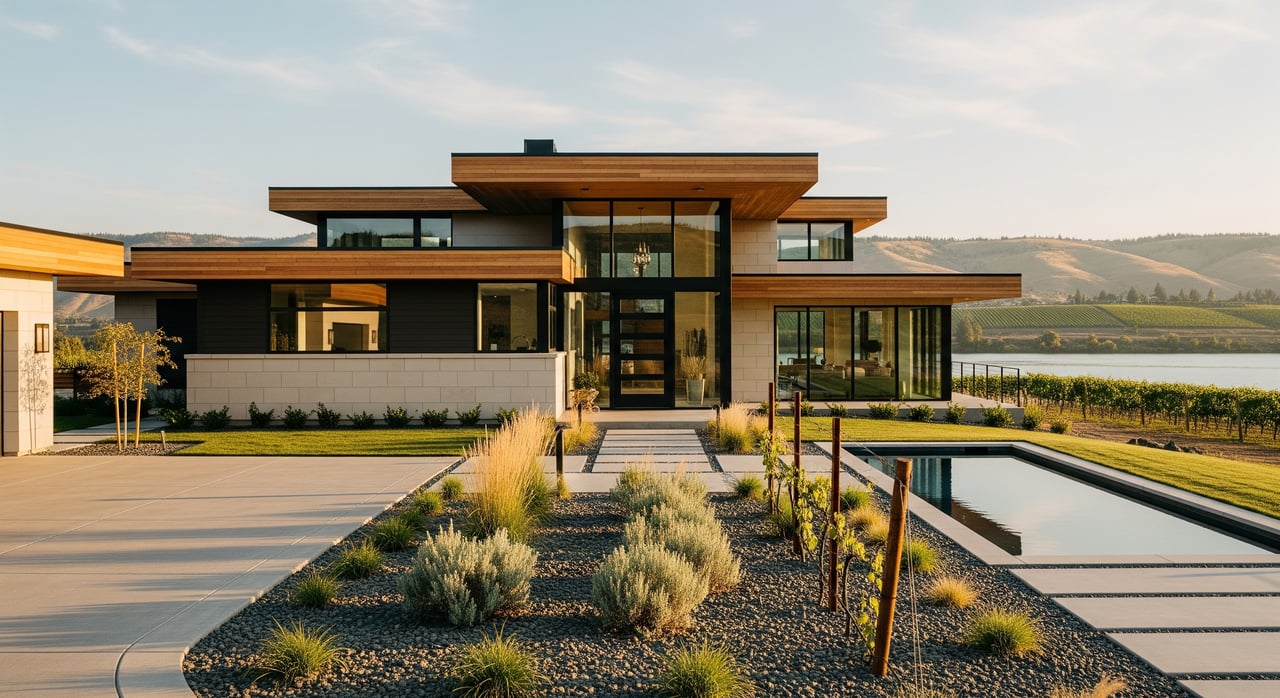
West Richland New Construction Timeline Guide
January 15, 2026
January 15, 2026
Wondering how long a new build in West Richland really takes? You want a clear plan, fewer surprises, and confidence that you are hitting each milestone on time. This guide breaks down the full timeline, local permits and inspections, common delays, and the documents you should collect along the way. Let’s dive in.
Most production homes in West Richland take about 6 to 9 months from permit to Certificate of Occupancy. Custom homes or builds with complex sites can run 9 to 18 months. Weather, plan changes, permitting backlogs, and material lead times can shift these ranges. Confirm timing with your builder and the local permitting office before you start.
You will review subdivision covenants, conditions, and restrictions and any HOA rules. Check utility availability, impact fees, site slopes, easements, and any wetlands or drainage constraints. Ask your agent and builder for recent examples in the same subdivision so you know what to expect.
Finalize your plan, options, and allowances. Get preapproved for a mortgage or set up a construction loan. Review the builder’s warranty and build schedule before you sign.
First, confirm if your lot sits inside West Richland city limits or in unincorporated Benton County. The City of West Richland handles permits inside the city, while Benton County handles permits for unincorporated areas. Local rules enforce Washington State Building Code, including energy code requirements that can affect sequencing and final approval. Impact fees and utility connection charges are often due at permit issuance and can affect when the permit is released. If grading or drainage work is planned, erosion control and grading permits may be required before foundation work.
The builder will clear and grade, set temporary utilities, and install footing and foundation systems. Waterproofing and backfill follow required inspections. Weather and soil conditions can affect pace.
Walls, roof framing, sheathing, windows, doors, and roofing go in to make the home weather tight. This sets up the mechanical rough-in phase.
HVAC, plumbing, electrical, and gas lines are run. Required rough inspections are scheduled by the builder. Lenders may also require draw inspections tied to these milestones.
Insulation and air or vapor barriers are installed. Washington’s energy code commonly requires blower door and duct leakage testing. If a test fails, corrective work is needed before you can move on.
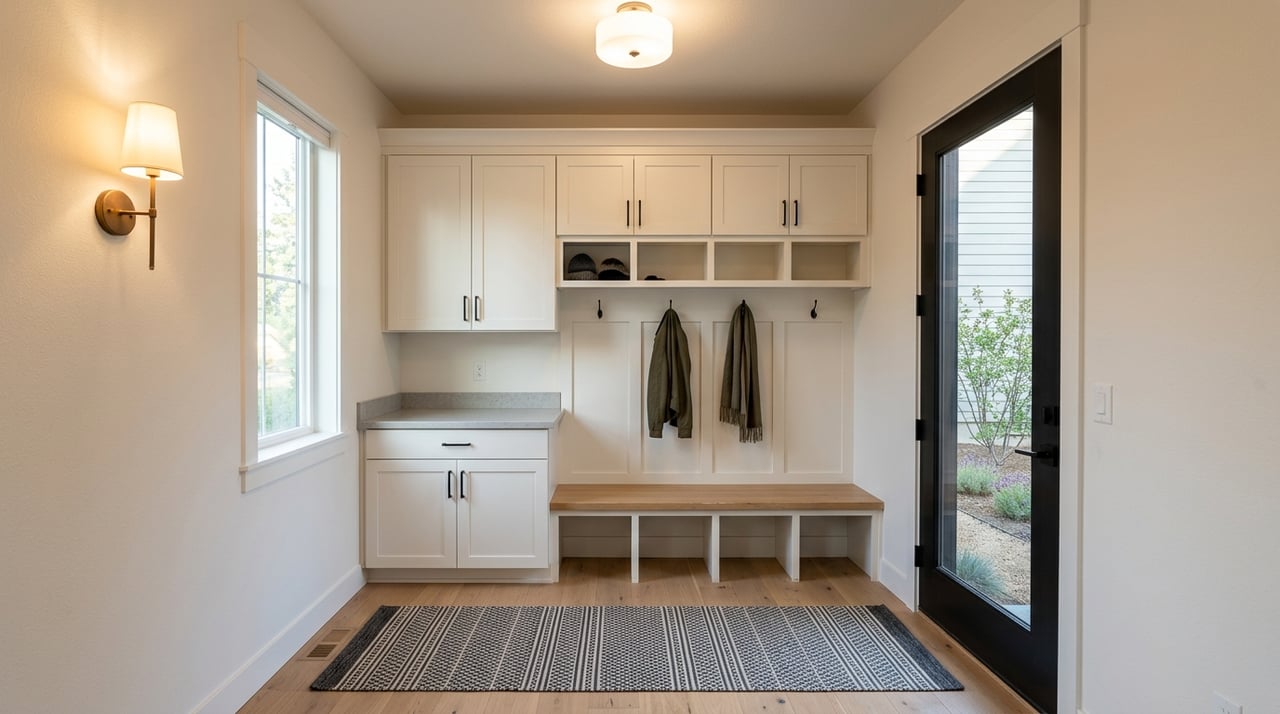
Drywall, interior trim, paint, cabinets, fixtures, flooring, and exterior siding are installed. Driveways and sidewalks may be scheduled depending on weather and material availability.
The builder completes final inspections and requests the Certificate of Occupancy. You will do a pre-closing walkthrough to assemble a punch list. Confirm how punch list items are tracked and finished, and ensure the CO is issued before you move in unless a temporary occupancy approval is used.
Always verify which office applies to your lot, since fees, steps, and timelines can differ.
The builder typically schedules municipal inspections. If you have a construction loan, your lender may order separate draw inspections. Ask for copies of inspection reports after each milestone.
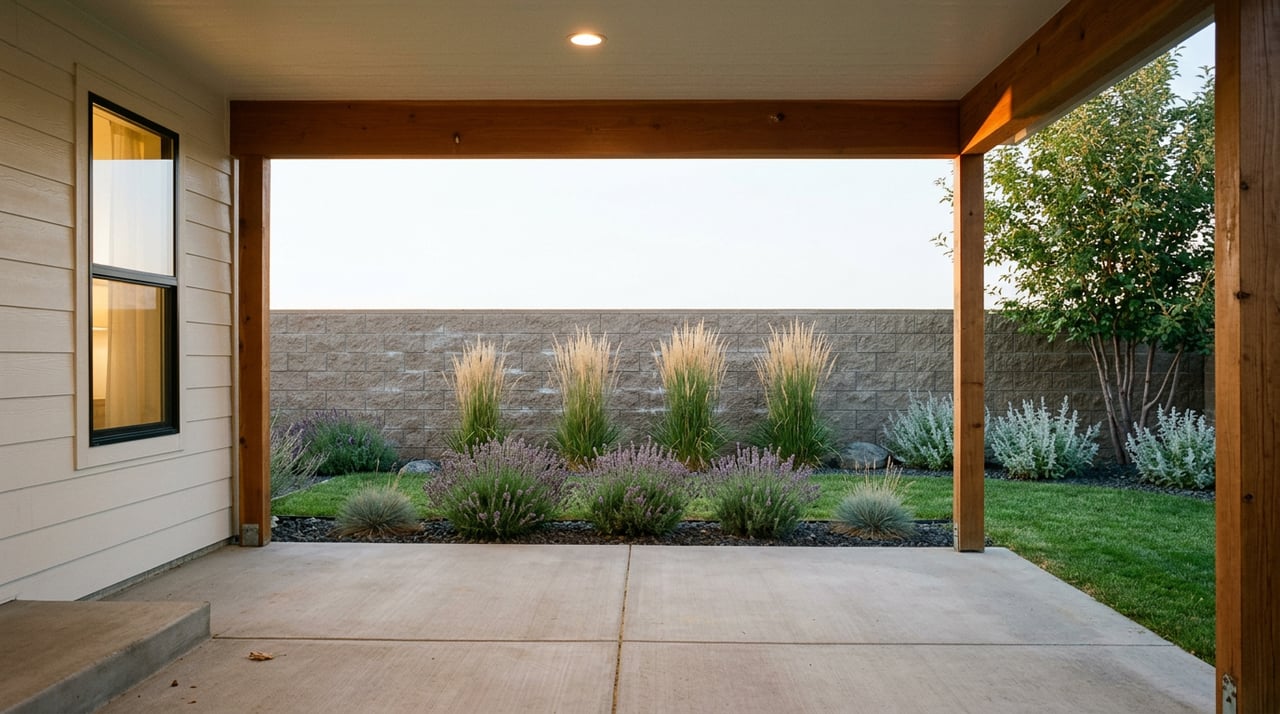
West Richland’s climate brings warm, dry summers and cooler winters with periods of rain and wind. Exterior work, concrete finishes, and landscaping often depend on weather. Rural or sloped lots may need extra grading, retaining walls, or rock excavation, which adds time and cost. Plan for seasonal flexibility, especially for final exterior items.
Utility providers can vary by subdivision. Confirm who provides electricity, water, sewer, natural gas or propane, internet or telecom, and whether any lot relies on a septic system. Ask your builder for recent hookup timelines from homes in the same neighborhood so you understand scheduling and fees.
Construction loans usually release funds in stages such as foundation, framing, and rough-in. Inspectors verify each stage before a draw is paid. At the end, the jurisdiction issues a Certificate of Occupancy that allows you to move in. Some areas allow a Temporary Certificate of Occupancy for minor outstanding items, but you should confirm whether that is used and what conditions apply.
Frequent causes of delay include permitting backlogs, utility connection scheduling, weather issues, labor shortages, and material lead times for items like windows or cabinets. Failed blower door or duct leakage tests can also cause rework. Financing or draw inspection timing can slow progress if it is not aligned with the builder’s schedule. Unforeseen site conditions such as rock or groundwater can change the plan midstream.
A good agent keeps the process organized so you can focus on smart decisions. Here is how your agent can help you stay on track:
If you are targeting a West Richland build this year, start due diligence on your lot, utilities, and fees now. Lock in your plan and financing while your builder finalizes permits and schedules trades. A responsive local agent keeps every moving part visible, from inspection reports to lien releases, so closing day is smooth.
If you want a timeline tailored to your lot and builder, reach out to Shana Brown. You will get hands-on guidance and steady communication from a Tri-Cities native who knows how to move a new build from contract to keys.
Stay up to date on the latest real estate trends.
Get assistance in determining the current property value, crafting a competitive offer, writing and negotiating a contract, and much more. Contact me today.