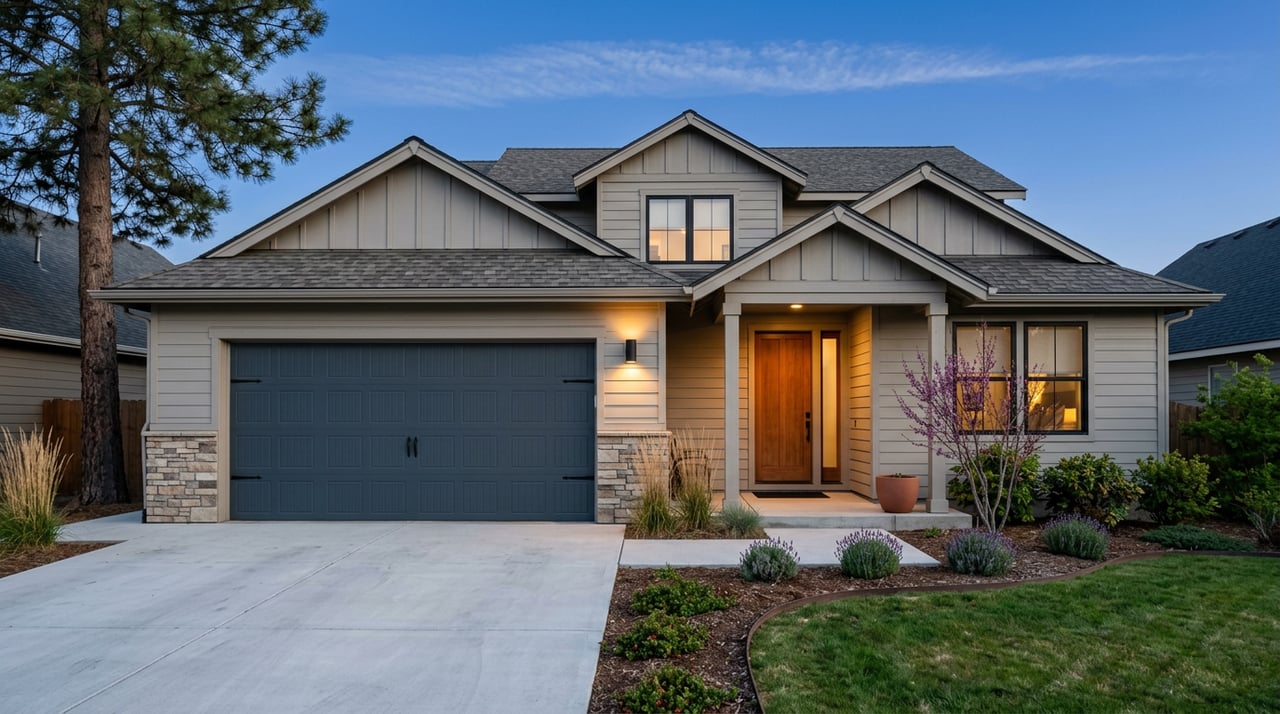
Richland Home Selling Strategy: Seller Playbook for Maximum Value
March 5, 2026
March 5, 2026
Thinking about selling your Richland home and want a clear plan to maximize value? You are not alone. In a market that feels calmer than the frenzy of 2021, the right prep, pricing, and timing still make a big difference in your bottom line. This playbook gives you a local, step‑by‑step guide, grounded in current data and Washington specifics, so you can sell with confidence and keep more of your proceeds. Let’s dive in.
Richland is balanced compared to recent boom years. As of January 2026, Zillow reports a typical Richland home value near about $458,000 with a median time to pending around 57 days. Redfin’s MLS snapshot shows a median sale price near $436,000 and a median days on market around 64 days. Different vendors use different methods, which is why numbers vary. The key takeaway is that well‑priced, well‑presented homes still move.
Local reporting also shows the Tri‑Cities shifted from a strong seller’s market in 2020–2023 to a more even pace in 2024–2025, with inventory up and prices leveling off after early 2025 peaks. You can see that balanced tone in recent coverage from the Tri‑Cities business press, which notes days on market often stretching into the 30–60 day range depending on metric and month. For your home, your best guide is a neighborhood‑level CMA and the latest monthly MLS report. For broader context, review the region’s outlook in the local business press at the start of your planning window. Regional market outlook coverage provides helpful background.
Richland demand is supported by major employers in energy, research, and healthcare. TRIDEC lists Battelle/PNNL, Kadlec, Lamb Weston, Bechtel, and other Hanford contractors among top regional employers. That base attracts professionals who value commute convenience, home office space, and access to outdoor amenities. See the TRIDEC major‑employers list for a sense of the local demand drivers.
It is also smart to keep an eye on employer headlines. For example, one report in 2025 noted staffing changes at PNNL that affected a small number of employees across the Pacific Northwest. Hiring and relocation demand can shift with federal cycles, so plan your launch timing with current data in hand. You can scan recent PNNL staffing coverage as you prepare.
Nationally, buyers are older on average and first‑time buyer share remains low. In practice, that means well‑qualified buyers who expect move‑in ready homes. Highlight practical features that resonate: flexible workspaces, easy‑care yards, energy efficiency, and proximity to the river trails.
Proximity to the Columbia River carries a real premium. Columbia Point condos and riverfront properties often sell above the city’s medians. Recent examples have ranged from the mid $500,000s to over $1 million for prime waterfront units. That premium reflects views, marina access, and trails. When you price and prep, use riverfront comps rather than citywide medians to set expectations, and date your comps since prices move with season and inventory mix.
Inland neighborhoods like Meadow Springs typically sit closer to the high $400,000s to $500,000 range depending on date and property type. Your ROI decisions should follow your micro‑market. For example, a modest kitchen refresh can be smart in Meadow Springs if nearby solds show a clear payoff, while a more extensive upgrade may be justified for a high‑end river‑adjacent listing. Always compare against recent, like‑kind sales.
If your property is near the river, know the rules. The City of Richland’s Shoreline Master Program sets permit requirements and ecological standards that can affect docks, shoreline landscaping, and some exterior improvements. Review the City of Richland Shoreline Master Program and check FEMA and county flood maps for any insurance implications. Disclose what you know up front to avoid delays later.
Tri‑Cities investments, such as Kennewick’s Vista Field redevelopment, add new parks, retail, and walkable amenities that lift regional desirability over time. They sit across the river, yet they contribute to the lifestyle story many Richland buyers value. Learn more about the Vista Field redevelopment.
The fastest way to unlock value is to focus on high‑impact basics first, then invest selectively based on comps.
Build a buffer so you are not racing the clock. You will get better results when you list polished rather than “almost ready.”
Vendor medians vary. As of January 2026, Zillow’s typical value was about $458,000 and days to pending around 57, while Redfin’s MLS median sale price was about $436,000 with about 64 days on market. That spread is normal given different boundaries and methods. Your price should come from a neighborhood CMA using like‑kind sales in the last 3–6 months, plus adjustments for condition and features.
National analyses often show a spring edge for speed and price, especially March through June. In Richland, that direction holds in many years, yet inventory and employer news can shift the curve. Aim to be photo‑ready for early spring if possible, and stay flexible based on current MLS activity.
Price is only one part of a strong deal. When offers arrive, compare:
If you have leverage, consider asking for larger earnest money, shorter contingency windows when safe, appraisal‑gap language, or repair credits instead of open‑ended work. The goal is a clean path to closing with minimal risk.
For illustration only, not a quote:
Estimated total selling costs: roughly 7%–10% of sale price depending on your agreement, local add‑ons, and actual escrow/title figures. Your exact net will vary. Always run live numbers before you list.
Washington requires a Seller Disclosure Statement (often called Form 17) for most residential sales. Start a digital folder now with permits, HOA documents, well or septic records if applicable, any known material facts, and recent service invoices. For a reference example, see a Washington seller disclosure form. If your property is near the river, also gather flood zone details and any shoreline permits.
Ready to map these steps to your address and timeline? Reach out for a custom plan, a real CMA, and a clear net sheet.
If you want to sell with less stress and more certainty, partner with a proactive local expert who lives and breathes the Tri‑Cities. Get your free home valuation and a tailored prep and pricing plan from Shana Brown.
Stay up to date on the latest real estate trends.
Get assistance in determining the current property value, crafting a competitive offer, writing and negotiating a contract, and much more. Contact me today.