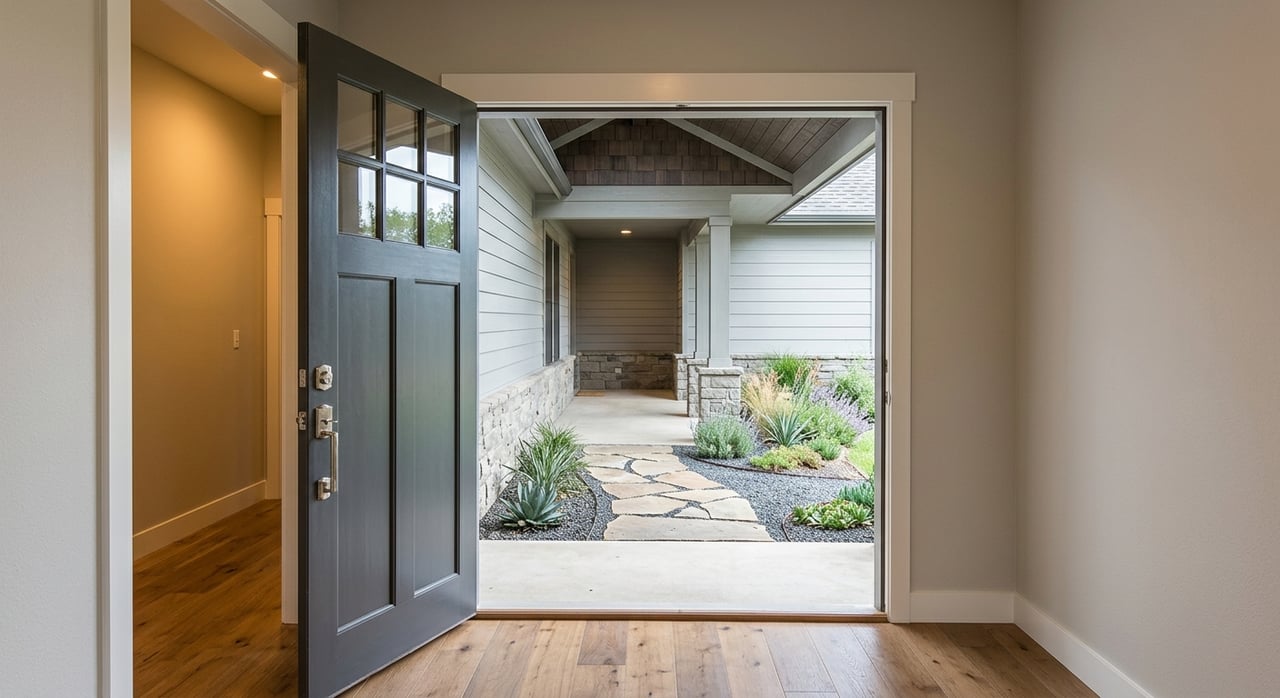
Kennewick Home Appraisal for Sellers and Smart Pricing
May 7, 2026
May 7, 2026
Wondering whether your Kennewick home will appraise at the price you want to list it for? You are not alone. For many sellers, pricing feels like a mix of strategy, emotion, and guesswork, but the right approach can help you avoid surprises once a buyer’s lender orders the appraisal. This guide breaks down how appraisals work, what appraisers look for, and how to price with confidence in Kennewick’s changing market. Let’s dive in.
When a buyer uses financing, the lender typically orders an appraisal to determine whether the agreed price is supported by the market at that point in time. In simple terms, it is an independent opinion of value used on the lending side of the transaction.
For you as a seller, that matters because an ambitious list price does not become reality just because a buyer agrees to it. If the appraisal comes in below the contract price, the sale can quickly turn into a renegotiation.
In Washington, appraisers must follow professional standards and state licensing rules. That helps reinforce that an appraisal is not the same thing as a quick online estimate, a tax figure, or a neighbor’s opinion of value.
One of the biggest pricing mistakes sellers make is mixing up a county tax assessment with a sale appraisal. In Benton County, taxable real property is assessed at 100% of fair market value for property-tax purposes, but that assessed value is part of the tax process, not the same valuation used by a lender in a home sale.
Benton County also notes that most residential property is valued using the market, or sales comparison, approach and that multiple comparable sales are used. A single sale does not automatically establish value.
The takeaway is simple: your tax assessment is not your list price strategy. If you want to price well, recent closed comparable sales should carry more weight than assessed values, asking prices, or automated estimates.
Appraisers are not just checking square footage and moving on. They are evaluating whether your home would realistically compete with other homes that appeal to the same buyers.
Fannie Mae guidance says appraisers should study the subject property’s market area and choose comparable sales similar enough to compete for the same buyers. When possible, sales from the same neighborhood are the best indicator of value.
That is especially important in Kennewick, where prices and pace can vary quite a bit by area. March 2026 data showed a citywide median sale price of $435,000, but neighborhood medians were about $473,500 in Canyon Lakes and about $655,835 in Hansen Park.
That spread is a good reminder that citywide averages can only tell you so much. Micro-market pricing usually matters more than citywide headlines.
Freddie Mac and Fannie Mae guidance point to several core inputs appraisers consider, including:
Condition matters more than many sellers expect. Appraisal reports are expected to address needed repairs, deferred maintenance, and adverse conditions, along with the home’s overall quality.
That means small issues can influence value if they suggest the property has not been maintained. A dripping faucet may not tank an appraisal, but visible wear, unfinished repairs, or obvious deferred maintenance can affect how the property is viewed against comparable homes.
An appraisal is tied to a specific effective date. Even a recent sale may need adjustment if market conditions changed between the time that comparable home went under contract and the appraisal date.
So while recent sales are valuable, the best comparable sale is not always just the newest one. It is the one that most closely reflects your home’s location, condition, and timing in the market.
Kennewick is not one uniform market. Recent data shows homes citywide sold in about 63 days on average and received about 2 offers on average in March 2026, but neighborhood activity can look very different.
For example, Canyon Lakes showed a median of 103 days on market, while Hansen Park showed a median of 56 days on market. Those differences affect buyer expectations, competition, and how aggressive your pricing can be.
This is why a pricing plan built only on broad city averages can miss the mark. If your home is in a part of Kennewick with different price points or absorption patterns, your strategy should reflect that local reality.
The goal is not to price low. The goal is to price in a way that attracts serious buyers and holds up under lender scrutiny.
A smart pricing strategy usually starts with recent closed sales in the same neighborhood. If there are not enough strong same-neighborhood sales, the comparison should come from a clearly competing area that appeals to similar buyers.
Active listings can show the competition, but they do not prove what buyers have actually been willing to pay. Closed sales matter more because they reflect completed market decisions.
That aligns with both lender appraisal standards and Benton County’s explanation that value is based on multiple comparable sales, not one isolated number.
If your home has meaningful upgrades, those can help support value. If it also has deferred maintenance, that can work in the opposite direction.
The best pricing conversations are honest ones. Overpricing based on the remodeled kitchen while ignoring worn flooring, exterior maintenance, or aging systems can create a gap between the contract price and the appraised value.
Appraisers need accurate property information. Sellers can help by making the basics easy to confirm, including:
Clear documentation does not guarantee a higher value, but it can help the appraiser understand what has actually been improved and what makes your home different from nearby sales.
Once you are under contract, there are still steps you can take to support a smooth appraisal process. The key is presentation, accuracy, and documentation.
Here is a practical seller checklist:
A clean, organized home does not replace comparable sales, but it helps communicate that the property has been cared for. That can matter when condition is one of the formal inputs in the valuation process.
A low appraisal does not always kill the deal, but it does change the conversation. In many cases, the buyer’s lender will only lend based on the appraised value, not the contract price.
At that point, a few paths are common:
For sellers, this is exactly why pricing discipline on day one matters. The more your list price is grounded in current market evidence, the less likely the appraisal is to become a major obstacle.
There is a formal path for challenging an appraisal through the lender before closing. Under the reconsideration of value process, the borrower may submit up to five comparable sales plus supporting information if they believe the report includes factual errors, omissions, inadequate comparable sales, or other material problems.
That process is structured and evidence-based. It is not an informal debate about what the home should be worth.
If you are selling in Kennewick, your best pricing strategy is usually the one that respects neighborhood-level data, real condition, and current timing. A price that looks good on paper but is not supported by closed comparable sales can create stress later, especially once the lender’s appraisal enters the picture.
The strongest sellers go in prepared. They understand the difference between assessed value and market value, price from relevant comparable sales, and make it easy to verify the home’s features and improvements.
When you take that approach, you give yourself a better chance at attracting serious buyers, negotiating from a position of clarity, and keeping the sale on track. If you want local guidance on pricing your Kennewick home with today’s market and appraisal realities in mind, reach out to Shana Brown for a personalized home valuation.
Stay up to date on the latest real estate trends.
Get assistance in determining the current property value, crafting a competitive offer, writing and negotiating a contract, and much more. Contact me today.