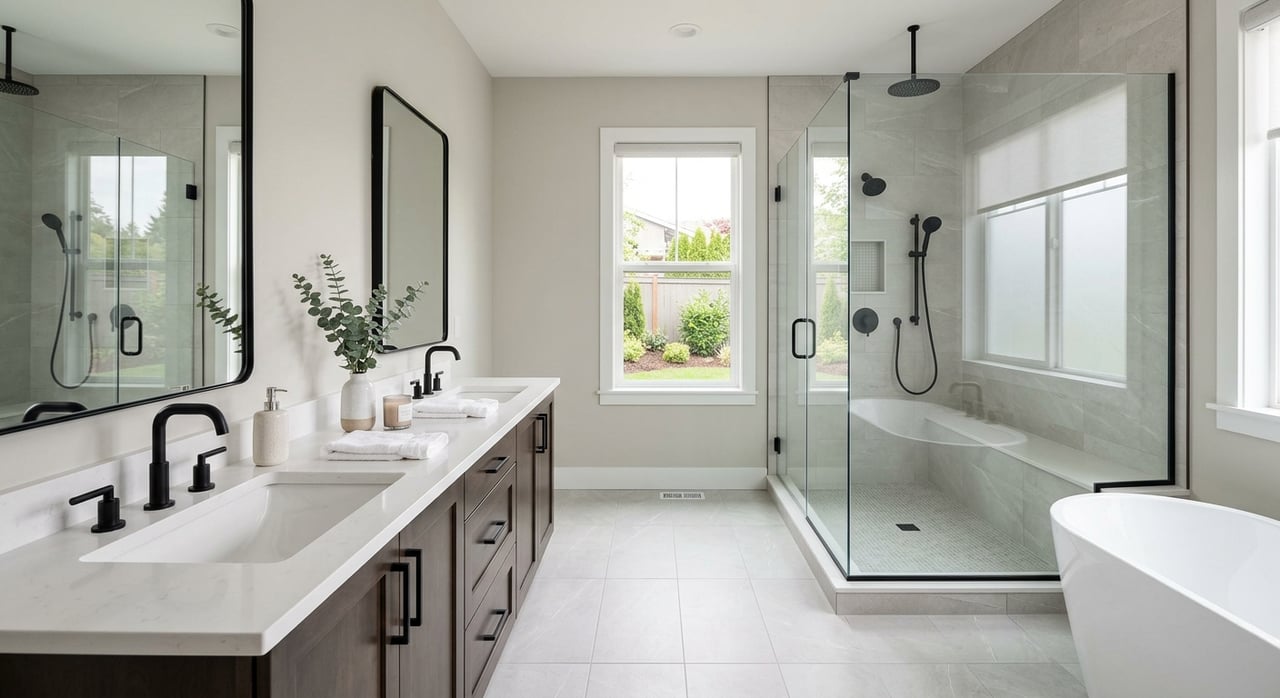
How to Sell Your Home in West Richland With Confidence
May 28, 2026
May 28, 2026
If you’re selling a home in West Richland, you don’t need hype. You need a smart plan that fits the local market. In a city where conditions look balanced, buyers have options, and homes can sell anywhere from around asking to slightly below list, the sellers who do best are usually the ones who prepare early and price with care. This guide will walk you through what to expect, what to prioritize, and how to position your home for a stronger result. Let’s dive in.
West Richland’s housing market is best described as balanced, with some signs of seller advantage depending on price point and property type. Recent data points show a median sale price around $479,000, a median listing price around $500,000, and homes taking roughly 56 to 68 days on market at the city level. In the broader Tri-Cities market that includes West Richland, April 2026 data showed a median price of $445,400 and 29 median days on market.
Those numbers do not conflict as much as they first appear. They come from different data sets and time periods, so the better takeaway is to read them as a range. For you as a seller, that means timing, pricing, and property presentation can make a real difference in how quickly your home sells.
You should not expect every listing to spark a bidding war. Recent reporting shows homes in West Richland often sell at about asking, while other data suggests an average sale around 1% below list. Some homes still receive multiple offers, but overpricing is more likely to lead to extra time on market than a stronger final price.
That makes strategy especially important. In a balanced market, buyers tend to compare homes closely, notice condition issues faster, and respond best to listings that feel well cared for and realistically priced.
If you’re planning to sell in the next 6 to 12 months, the biggest advantage is usually getting ready before the spring rush. National 2026 analysis identified April 12 through 18 as the strongest listing week of the year, with higher views and faster sales than the annual average. For West Richland sellers, the practical lesson is simple: start the prep work early.
That means giving yourself time for repairs, touch-ups, staging decisions, cleaning, and photos. Rushing to list before your home is ready can cost you more than waiting a little longer for stronger presentation.
A simple timeline can help you stay ahead of the market:
West Richland had an estimated population of 18,820 in 2024, with 83.4% owner-occupied housing, a median owner-occupied home value of $448,300, and a median household income of $119,892. About 30.9% of residents were under age 18. Those figures suggest a market with a strong owner-occupier base rather than one driven mainly by short-term investors.
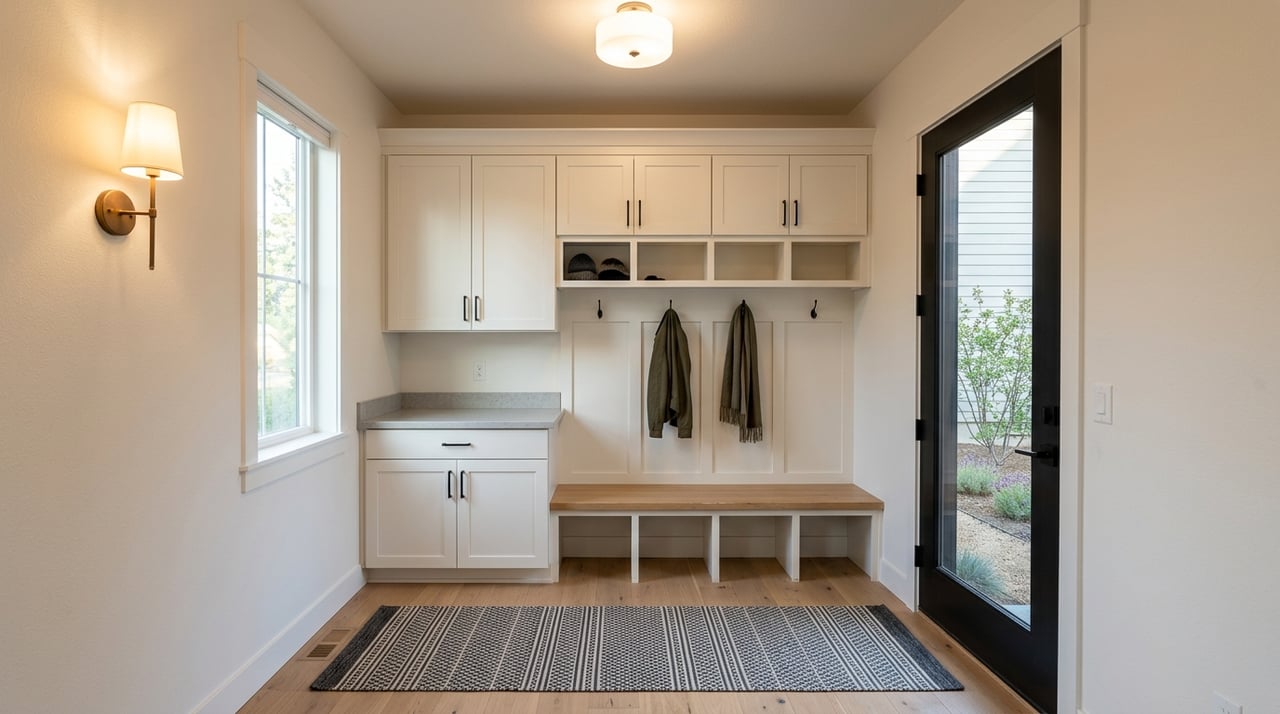
That matters because owner-occupier buyers often respond to livability, upkeep, and ease of ownership. In West Richland, a clean, functional, low-maintenance home can stand out more than expensive cosmetic upgrades that do not improve daily use.
Before listing, focus on the improvements that help buyers feel confident:
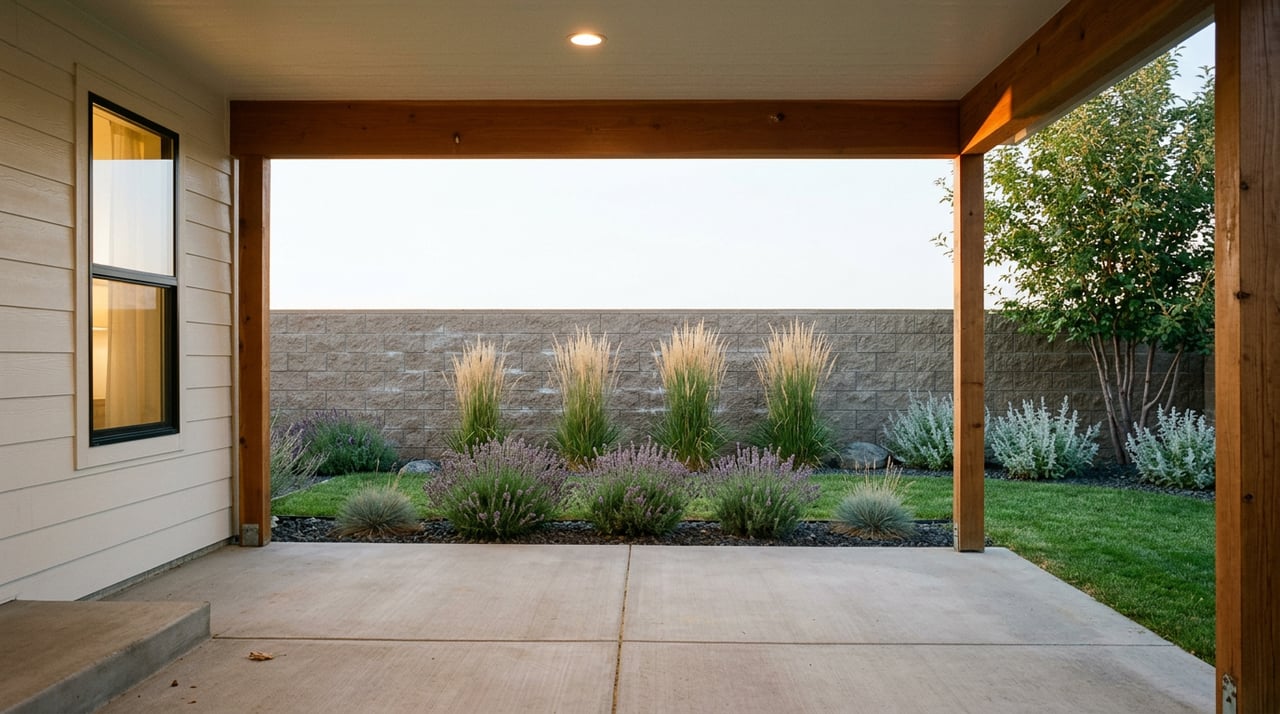
City-facing materials also emphasize outdoor recreation and views, which helps explain why outdoor presentation can matter here. If your property has usable yard space, a patio, a view corridor, or a clean low-maintenance exterior, make sure those features are ready to show well.
One of the biggest mistakes a seller can make in West Richland is relying too heavily on citywide averages. Median prices are useful for context, but they do not tell the whole story. West Richland includes conventional suburban homes, view properties, river-influenced areas, acreage, and land with future development potential.
That means like-for-like comparisons matter. A strong pricing strategy should account for lot size, age, condition, updates, layout, view, and location instead of using a broad city median as the final answer.
Certain property types can attract very different buyers and pricing expectations:
West Richland has 5.91 miles of Yakima River shoreline within city limits, and the Lewis & Clark Ranch project covers more than 7,000 acres that are now in farming use but intended to transition over time. The city is also updating its comprehensive plan through June 2026. Because of that, acreage, mixed-use, and future-oriented parcels may need more specialized analysis than a standard residential comp search.
A smoother sale often starts long before you accept an offer. In Washington, sellers of improved residential real property generally must provide a completed seller disclosure statement unless the buyer waives it or an exemption applies. The disclosure is based on your actual knowledge, is not a warranty, and the buyer generally has three business days to rescind after receiving it.
If something changes before closing and your disclosure is no longer accurate, it must be amended. That is one reason it helps to gather information early instead of scrambling once your home is under contract.
Try to have these items ready as soon as possible:
In a balanced market, certainty can be a selling point. Buyers often feel more comfortable moving forward when the home is well presented and the paperwork is organized.
Many sellers focus on price and forget to plan for taxes and closing costs. In Washington, real estate excise tax, or REET, is a major line item unless an exemption applies. In West Richland, the local REET rate is 0.50%, and the state rate for sales at or below $525,000 is 1.10%.
Using a $479,000 sale price, that would equal about $7,664 in REET before exemptions or any special land-classification treatment. REET is usually paid by the seller, although the buyer becomes responsible if it is not paid.
You should also expect standard closing adjustments and prorations, including property taxes. In Washington, property is valued at 100% of true and fair market value, with the county assessor handling valuation and the county treasurer collecting taxes. Since taxes are paid on a schedule tied to April 30 and October 31, sellers should expect tax prorations at closing.
If you own acreage, agricultural land, or property with a special classification, tax treatment and REET rules may be more complex. That is especially important in parts of West Richland where land use and future development potential can affect how a property should be evaluated.
In West Richland, negotiation is usually more about discipline than drama. Because recent data points suggest homes may sell at about asking or slightly below, buyers are often looking for value, condition, and a fair comparison to competing listings. That gives you room to succeed, but not much room to guess.
A strong negotiation position usually starts before the first showing. If your home is clean, well priced, and supported by complete documentation, you are more likely to attract serious buyers and avoid preventable objections.
The sellers who often have the smoothest path tend to:
This is where local guidance can matter most. Every West Richland listing sits in its own competitive lane, and the right approach depends on your home’s condition, price range, and property type.
No two West Richland properties are exactly alike. A newer suburban home, a move-up property with views, and a piece of acreage will not attract the same buyers or follow the same timeline. That is why the best sale plans are tailored, not templated.
If you want to sell with less stress and better clarity, start by answering a few basic questions. What repairs should you handle now? What price range fits your specific home? What documents should be ready before listing? And when should you launch based on your goals and timeline?
When you have those answers, the rest of the process becomes much easier to manage. If you’re getting ready to sell in West Richland and want hands-on guidance, pricing support, and a clear listing strategy, connect with Shana Brown for a personalized plan.
Stay up to date on the latest real estate trends.
Get assistance in determining the current property value, crafting a competitive offer, writing and negotiating a contract, and much more. Contact me today.