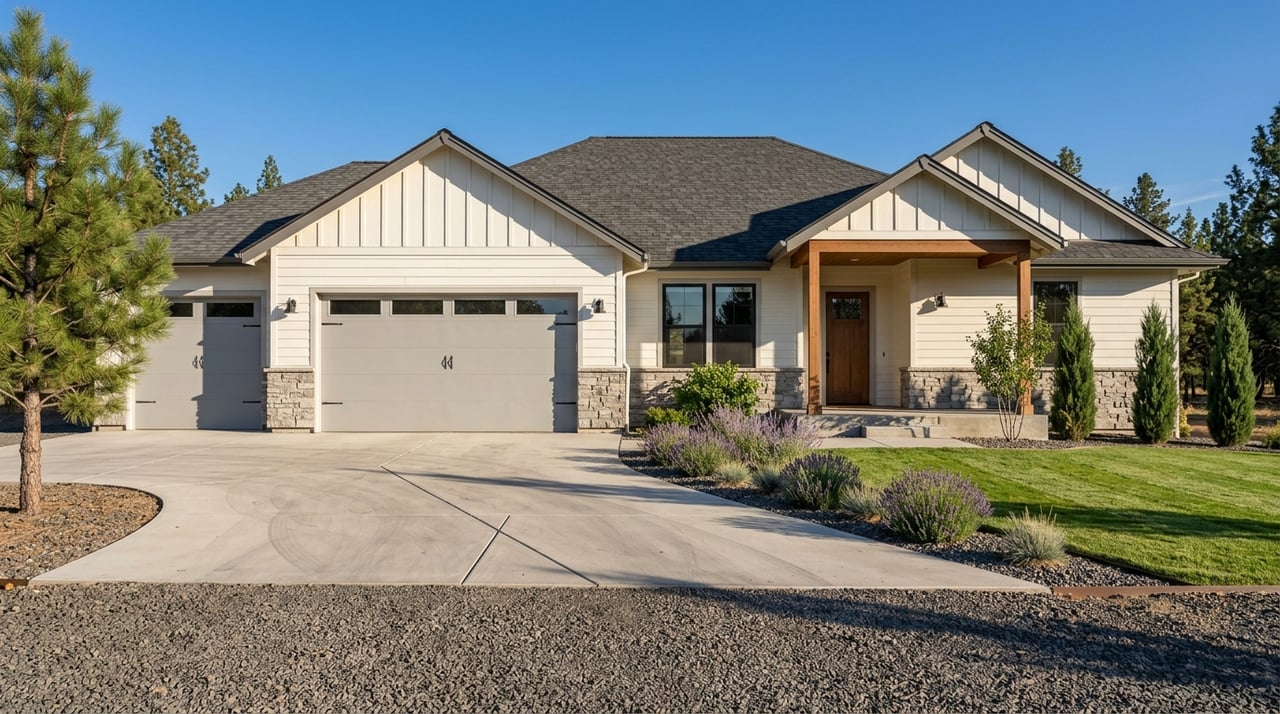
How to Sell a West Richland Acreage or View Property
June 25, 2026
June 25, 2026
If you are selling a West Richland acreage or view property, you are not just selling square footage. You are selling space, utility, privacy, and the way the land lives day to day. That can create a great opportunity, but it also means buyers will look closer and ask more questions than they might for a standard neighborhood home. In this guide, you will learn how to prepare, price, and market your property so the land story is clear from the start. Let’s dive in.
West Richland is growing quickly. The U.S. Census estimates the city’s 2025 population at 19,257, which is up 18.3% from 2020, and 30.9% of residents are under 18. With an average household size of 2.98, many buyers are looking for room to spread out, usable outdoor space, and a property that supports everyday living beyond the walls of the home.
That matters even more in a city known for its parks, trails, and open views. West Richland highlights 14 developed parks and abundant walking and cycling trails, while city planning materials point to broad views of the river and surrounding agricultural land. For a seller, that means your marketing needs to show the setting just as clearly as it shows the kitchen or living room.
Acreage and view homes often appeal to buyers who want a semi-rural feel while still staying connected to the Tri-Cities. Some want privacy. Some want room for outdoor hobbies, extra structures, or flexible use of the land. Others are drawn to the views, open sky, and breathing room that can be hard to find in a traditional subdivision.
That is why your listing should present the property as a home-plus-land sale. Buyers will want to understand how the parcel functions, what improvements are already in place, and what the setting adds to everyday life. If those answers are easy to find, your home is more likely to stand out online and feel worth the trip in person.
One of the best things you can do before going on the market is organize the property facts early. For acreage and view homes, buyers often ask due diligence questions sooner, and they may hesitate if the answers are unclear. Clean documentation helps reduce friction and build confidence.
Start with the systems and improvements that matter most to land-rich properties. In West Richland and greater Benton County, that often includes septic records, water information, permit history, and disclosure details. The more complete your file is before photos and showings begin, the smoother the process tends to feel.
If your property has an onsite septic system, pull records early. The Benton-Franklin Health District oversees many onsite septic systems in the area, maintains records and as-built drawings for existing systems, and can help with system information. It also notes that systems installed before 1975 may not have records available.
Before you list, it helps to gather pumping history, locate the septic system, and confirm what documents you have. Buyers often want to know whether the system is documented and maintained, and it is easier to answer those questions upfront than under contract pressure.
Water is another big topic for acreage properties. In Washington, water is not treated as a property right by default, and the State Department of Ecology says property owners can use the state well report viewer to look up well construction details. If the property uses surface water, a water right is required.
Groundwater can also raise questions. Ecology says that if a project will use more than 5,000 gallons per day or irrigate more than one-half acre of land, a water right is required before drilling. If your property has a well, utility water, irrigation setup, or past water-right paperwork, organize that information before buyers ask for it.
Older acreage properties can have legacy features that no longer serve the home. Ecology warns that abandoned wells can be hazardous to people, animals, and the water supply. Property owners must work with a licensed well driller to decommission them.
That makes it smart to walk the property with a critical eye before listing. Look for old well locations, capped openings, unused irrigation features, and anything a buyer might flag during inspections or site visits.
On acreage property, the outdoor features often carry real value. Fences, storage sheds, barns, pens, pools, and animal areas can all shape how buyers see the property. They can also trigger practical questions about permits, review requirements, and zoning.
West Richland says fences up to 6 feet require city review, detached storage sheds up to 200 square feet need a no-fee permit, larger sheds require a building permit, and pools or spas require permits. The city also notes that the number of small domestic animals allowed depends on the zoning district. If your property includes outdoor improvements, verify what was permitted and what rules apply now.
West Richland’s zoning map includes districts such as RL-20, RL-40, and Urban Transition, along with other residential and mixed-use designations. The city is also updating its Comprehensive Plan through 2026. For buyers, zoning and future land use can affect how they view flexibility, long-term use, and surrounding development patterns.
That does not mean every buyer is looking to change the property. It does mean many will want clarity about what the parcel supports today and what city planning could mean over time. If you can explain the basics clearly, you help buyers evaluate the property with more confidence.
Washington law requires many sellers of improved and unimproved residential property to complete a seller disclosure statement unless an exemption applies or the requirement is waived. Under RCW 64.06, the disclosure is based on your actual knowledge and is not a warranty. The law also gives buyers a three-business-day rescission right after delivery and requires sellers to amend the disclosure if new information makes it inaccurate before closing.
For acreage and view homes, this step is especially important because there can be more systems, structures, and land-use details involved. Completing the disclosure carefully and early can help you avoid confusion later in the transaction.
Strong online presentation matters for every listing, but it matters even more when the land is part of the value. The National Association of Realtors reports that 81% of buyers rated listing photos as the most useful feature in their online home search. That means your first images need to tell the right story fast.
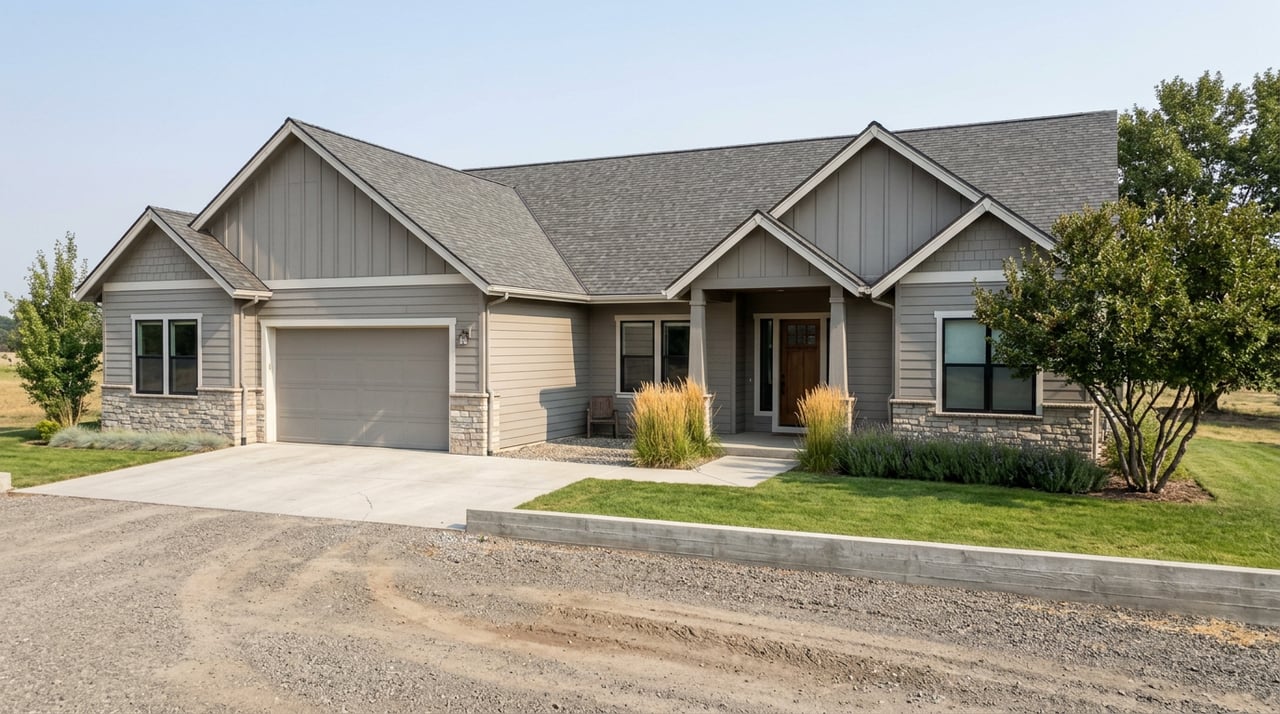
For a West Richland acreage or view property, buyers should see more than interior finishes. They should quickly understand the approach to the home, the shape of the land, the outdoor living areas, the fencing, outbuildings, and the best view corridors.
Do not bury the best outdoor features at the end of the gallery. If the view, driveway approach, pasture area, or shop space is a major selling point, those images should appear early. Buyers need to know within seconds why this property is different.
A strong listing often starts by showing the setting first, then supporting it with the home’s interior highlights. That creates a more complete picture of how the property lives.
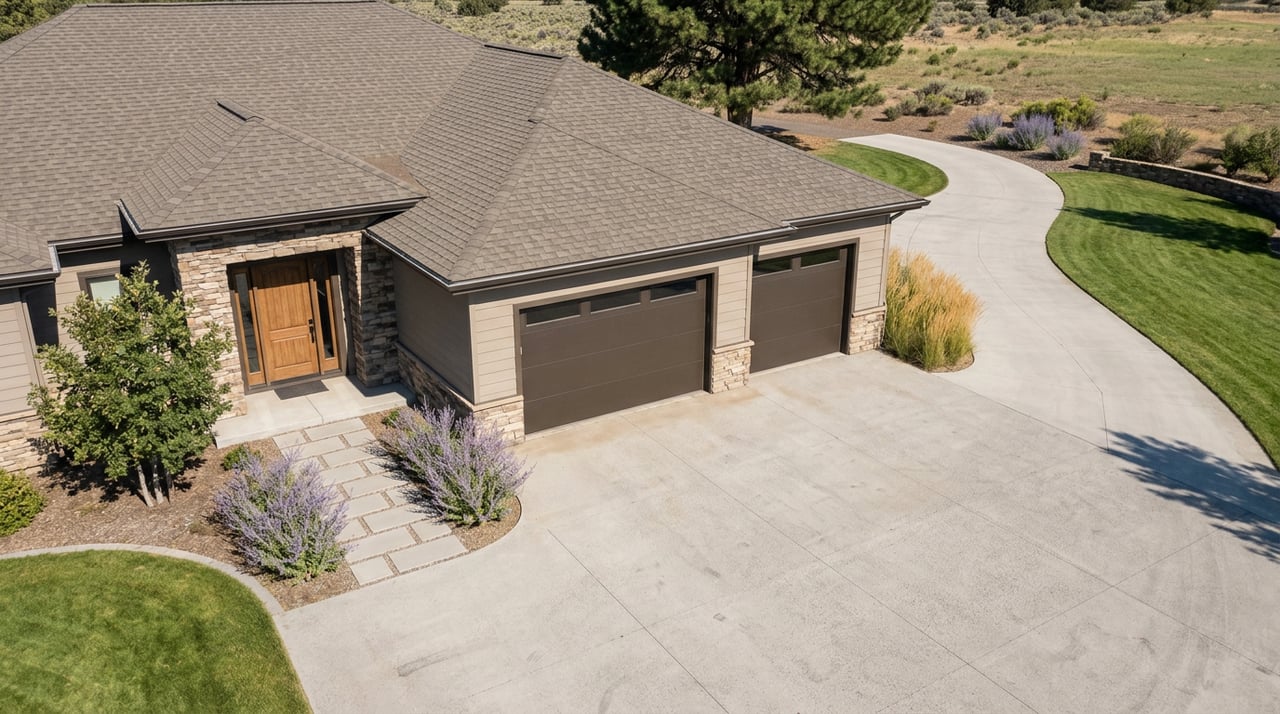
Aerial photography and video can be especially useful for acreage listings. NAR reports that 52% of agents use drone photography and video. For land-heavy homes, that format can show parcel shape, access points, tree lines, nearby uses, and how the home sits on the land in a way standard photos cannot.
When buyers understand the parcel layout early, they can decide faster whether the property fits their goals. That can lead to stronger interest and better-quality showings.
Staging is not only about the interior. NAR’s 2025 Profile of Home Staging found that 83% of buyers’ agents said staging made it easier for buyers to visualize the property as a future home. On acreage, that visual work often extends outdoors.
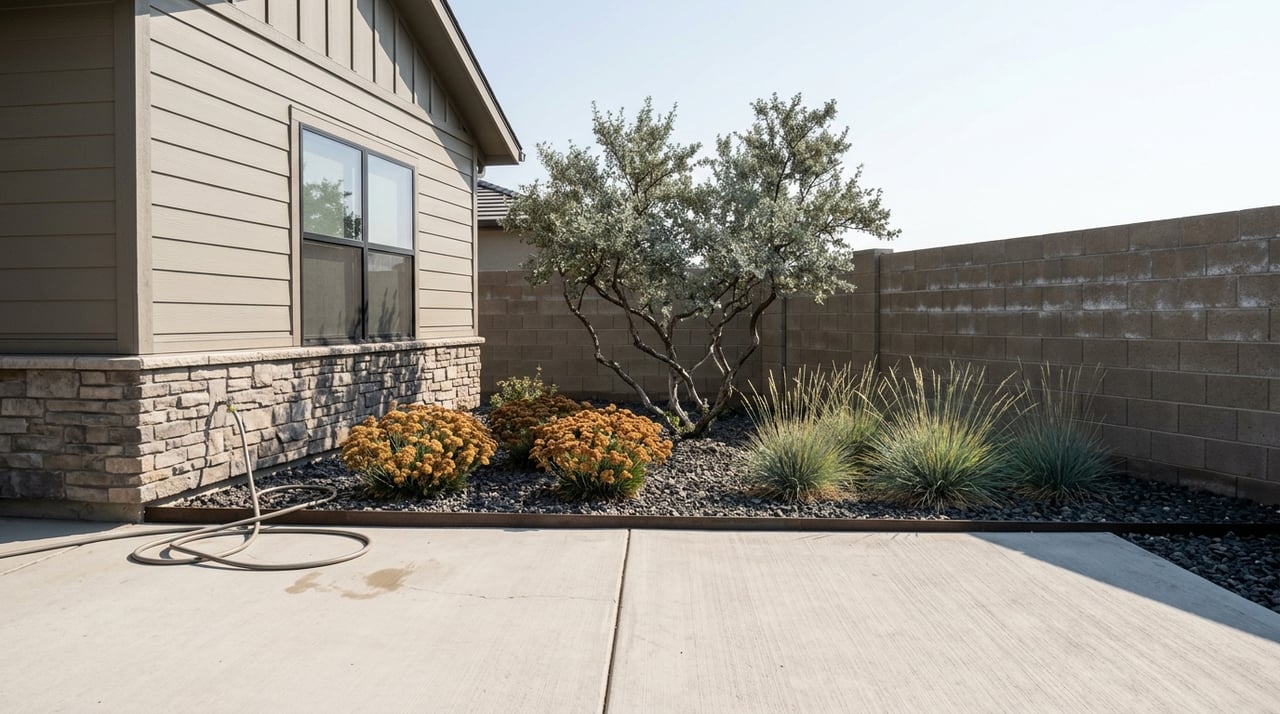
You may want to focus on the lawn edge, patio, fire pit, driveway, barn area, and any outdoor gathering space. The goal is to make the property feel maintained, usable, and easy to imagine enjoying every day.
Acreage and view properties usually should not be priced like a standard subdivision home with similar interior square footage. Buyers will weigh the usable acreage, view quality, water setup, septic condition, permitted structures, and zoning context alongside the home itself. That often calls for a more careful comp strategy.
This is where local experience matters. Two properties may look similar on paper but differ meaningfully in how the land functions. A parcel with strong views, documented systems, and clearly permitted improvements may attract different interest than one with unanswered questions.
Eastern Washington’s climate can shape how your property shows online. The Washington State Climate Office describes the state as having major east-west climate differences, and eastern Washington is commonly described as semi-arid. For acreage listings, that makes timing more important than many sellers realize.
If possible, launch when irrigation, grass, trees, and view lines look their best. A property with open land and outdoor features can feel very different from season to season, and your photos may do much of the selling before a buyer ever books a showing.
If you are planning to sell in the next 6 to 18 months, a simple sequence can help:
This kind of preparation can help you attract serious buyers and reduce surprises once negotiations begin.
West Richland is growing, and the city expects continued change as planning work moves forward. The city’s Comprehensive Plan update through 2026 and projected growth to 21,866 by 2035 can shape how buyers think about edge locations, future land use, and long-term appeal.
That is one reason acreage and view sales benefit from hands-on, local guidance. You want marketing that highlights the lifestyle, pricing that respects the land’s utility, and communication that keeps the process clear from prep to closing.
If you are thinking about selling a West Richland acreage or view property, working with someone who understands both the home and the land can make a real difference. For tailored pricing, preparation advice, and a marketing plan built around your property’s strengths, connect with Shana Brown.
Stay up to date on the latest real estate trends.
Get assistance in determining the current property value, crafting a competitive offer, writing and negotiating a contract, and much more. Contact me today.