Richland Mid Century Homes Guide: Older vs Newer
June 11, 2026
June 11, 2026
If you are house hunting in Richland, one question can shape your whole search: do you want the charm of a mid-century home or the convenience of something newer? In this market, both options are easy to find, and each comes with clear tradeoffs. When you understand how Richland’s housing history connects to today’s neighborhoods, prices, and upkeep needs, you can make a more confident choice. Let’s dive in.
Richland’s housing stock reflects the city’s unusual growth during and after the 1940s. City history notes that the community was born from the war era, and early housing included the well-known Alphabet homes and later Gold Coast homes, with Gold Coast construction dating to 1949. That history still shapes what buyers see on the market today.
At the same time, Richland has added a large amount of newer housing over the years. Census-based community data shows a median construction year of 1988, with about 16.8% of homes built in the 1940s, 6.0% in the 1950s, and nearly 40% built since 2000. In other words, you are not choosing between a small niche and the rest of the market. Both older and newer homes are meaningful parts of Richland’s housing mix.
Richland also remains primarily a detached single-family home market. Census QuickFacts reports a 64.4% owner-occupied rate and a median owner-occupied value of $436,700. That makes this a useful place to compare lifestyle, maintenance, and long-term fit when deciding between home styles.
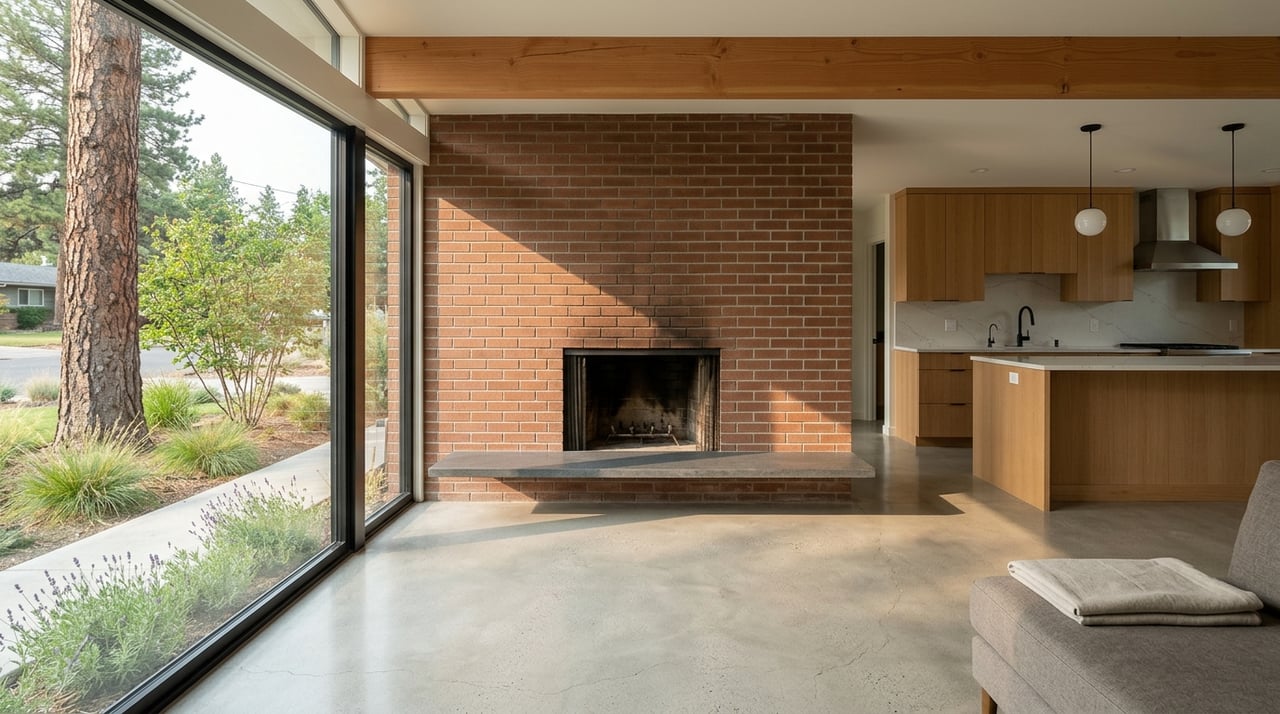
In Richland, mid-century often means more than just a design trend. City planning materials say the first Alphabet houses were built in 1943 and 1944, prefabricated homes were renovated by 1951, and ranch houses followed by 1951. These homes are part of the city’s identity, not just older inventory.
You may notice practical, recognizable features in these homes. Depending on the property, that can include simple lines, efficient floor plans, carports, large lots, beamed ceilings, or layouts that feel different from current construction. Some have been fully updated, while others still need major work.
Current listings show just how wide that range can be. One 1944 Alphabet House on Douglass Avenue offered 1,854 square feet, 4 bedrooms, 1 bathroom, and updates like a newer roof, heat pump, and Andersen windows. A 1961 custom mid-century home on Harris Avenue offered 3,935 square feet on 0.57 acres with a carport and beamed ceilings.
For many buyers, the biggest draw is character. Older homes in Richland often sit in more established parts of the city, and they can offer details that feel hard to replicate in newer construction. If you want a home with a distinct look and a sense of place, mid-century homes may stand out quickly.
Lot size and setting can also be part of the appeal. Some older homes come with larger parcels, mature landscaping, or a location in long-established areas near the city’s historic housing patterns. That can create a very different experience from a newer planned neighborhood.
Price can be another factor. A current example of an updated 1944 Alphabet House was priced at $357,000, which sits below several newer construction examples in Richland. That does not mean every older home is the cheaper option, but it does show that buyers may find opportunities if they are open to a home that blends history with updates.
The biggest issue with a mid-century home is usually age, not style. Older homes may need updates to systems and surfaces, even when they have strong curb appeal. Paint, windows, HVAC, roofing, and other major components often deserve close attention during your search.
Lead-based paint is one of the most important practical considerations. The EPA says homes built before 1978 may contain lead-based paint, and most pre-1978 homes must disclose known lead hazards before sale or lease. The agency also says renovation, repair, and painting in pre-1978 homes should follow lead-safe practices.
For you as a buyer, this means it is smart to budget beyond the purchase price. A mid-century home can be a great fit if you are comfortable planning for repairs, future upgrades, and careful renovation work that protects the home’s character. The right house can be rewarding, but it usually works best when you go in with clear expectations.
If mid-century Richland tells the city’s early story, Badger Mountain South helps tell its newer one. The city’s subarea plan describes this 1,480-acre master-planned community as an area intended for 5,000 homes, businesses, and community activities. The plan emphasizes compact design, mixed uses, trails, walkability, and transportation choice.
That vision shapes what many buyers expect from newer homes in Richland today. Developer information for Badger Mountain South highlights trails, parks, future schools, shops, restaurants, daily essentials, more than 200 acres of open space, and an on-site fire station. South Orchard Phase 3 is also planned for 2026 with 130 single-family lots, showing that new construction remains an active part of the market.
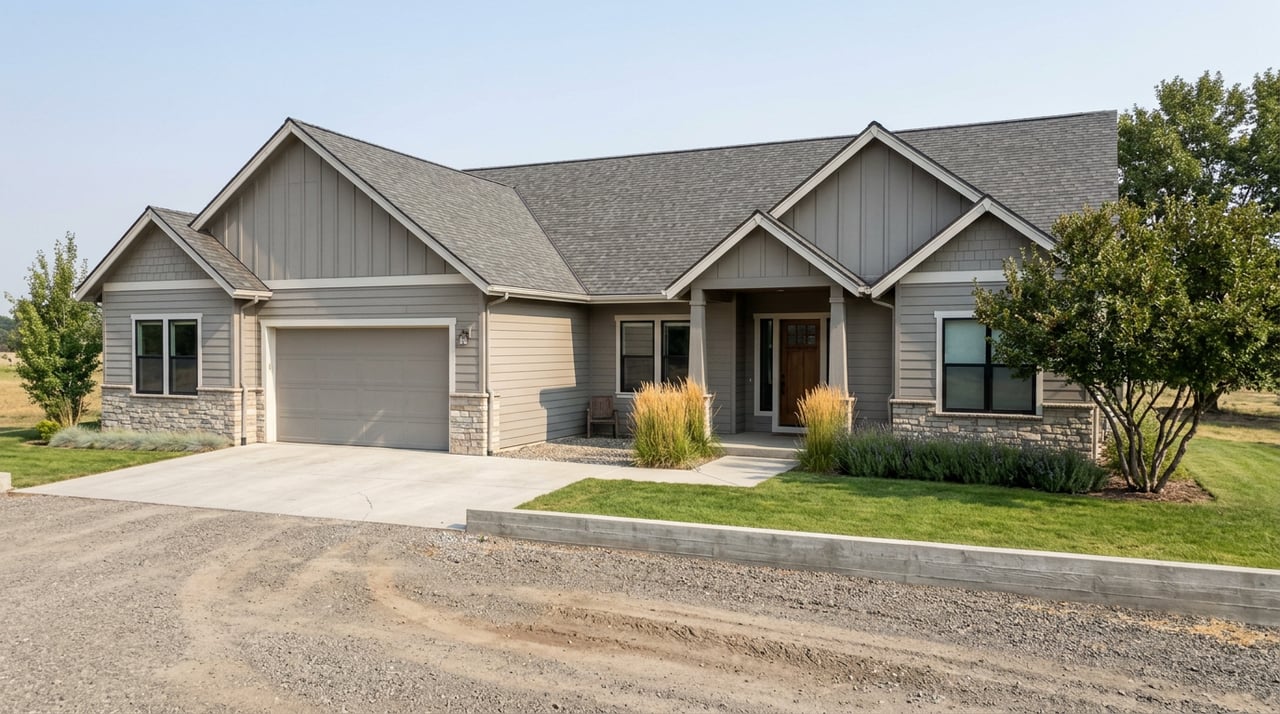
Outside of Badger Mountain South, newer homes in areas like Horn Rapids also reflect many current buyer preferences. A completed 2016 Horn Rapids home that sold for $530,000 included a one-story 1,977-square-foot layout, a 3-car garage, double-pane windows, and no basement. That type of setup gives a good snapshot of what many buyers mean when they say they want turnkey living.
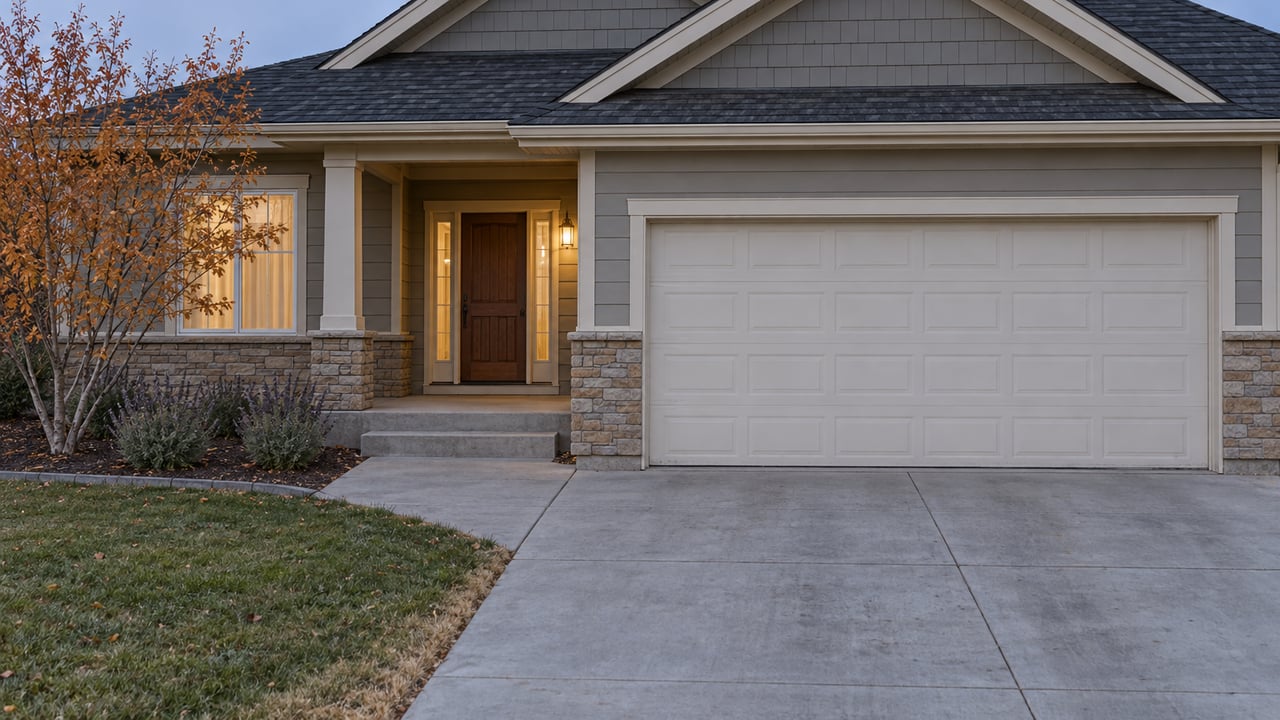
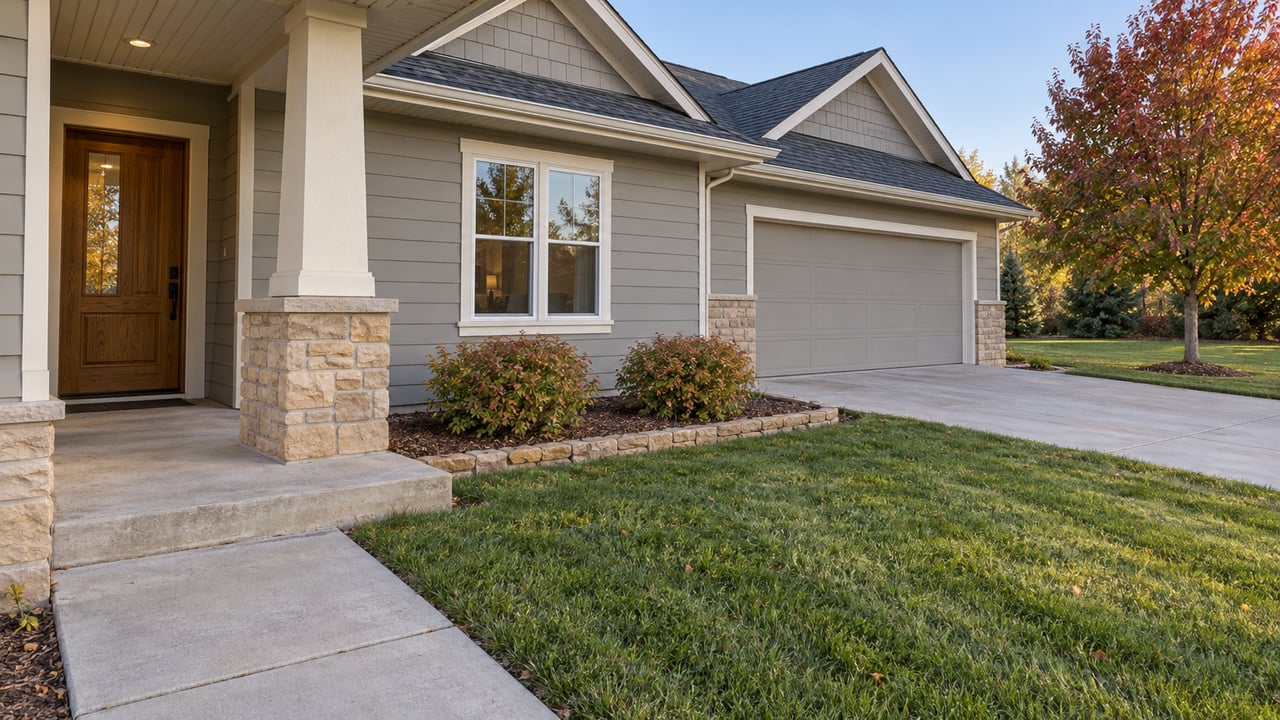
The biggest advantage is often convenience. Newer homes tend to offer open layouts, attached garages, and finishes that feel current from day one. If you want a home that needs less immediate work, newer construction can offer more predictability.
Community design is another draw. In Badger Mountain South, the city’s planning documents point to walkability, connectivity, energy conservation, and mixed uses. For buyers who want neighborhood amenities, trails, and a more planned feel, that can be a strong match.
Near-term maintenance is often lower as well. Compared with a home from the 1940s, 1950s, or early 1960s, a newer property may bring fewer renovation surprises in the first few years of ownership. That tradeoff matters if your budget is better suited to monthly ownership costs than to large repair projects.
Newer does not always mean perfect. Depending on the builder and the stage of construction, you may have limited options for customization, especially with move-in-ready homes. South Orchard notes that these homes may have fewer or no customizable features.
Cost can also be higher. Current new-home pricing in South Orchard runs from about $449,900 to $646,900 or more for plans ranging from roughly 1,300 to 2,600 or more square feet. Another Badger Mountain South plan starts at $519,990, which shows that many newer options begin above Richland’s Census-reported median owner-occupied value.
You should also factor in HOA fees where they apply. South Orchard lists HOA dues at $35 per month. That may be manageable for many buyers, but it still belongs in your monthly budget comparison.
Here is a simple way to compare the two paths.
| Feature | Mid-century homes | Newer homes |
|---|---|---|
| Typical appeal | Character and history | Convenience and turnkey living |
| Common location feel | More established parts of Richland | Planned communities and newer subdivisions |
| Layout style | Varied, often more segmented | More open floor plans |
| Maintenance outlook | More likely to need updates | Often fewer near-term surprises |
| Budget considerations | May offer lower entry price, but higher update costs | Often higher purchase price, plus possible HOA dues |
| Buyer fit | Buyers comfortable with projects and older-home quirks | Buyers who want move-in-ready features |
Richland’s market data shows an active local market, even if different sources report somewhat different numbers. Census QuickFacts lists the median owner-occupied home value at $436,700. Zillow’s Richland tracker shows an average home value of $469,874 and a March 2026 median sale price of $464,542, with homes pending in around 18 days.
Redfin reported a March 2026 median sale price of $510,000 and an average of 60 days on market. These differences are a reminder that market snapshots vary by method and timing. Still, the broader takeaway is clear: buyers in Richland have active demand, a mix of home ages, and meaningful price variation depending on location, condition, and home type.
That is why side-by-side comparisons matter so much. An updated older home can still compete on price and location, while ongoing new construction continues to add options. Your best value may come less from the home’s age alone and more from how well the property matches your budget, maintenance tolerance, and daily lifestyle.
A mid-century home may fit you well if you want charm, a more established part of Richland, and a property with distinct personality. It can also make sense if you are willing to budget for improvements and understand the realities of maintaining an older home. For the right buyer, that tradeoff can feel well worth it.
A newer home may be the better fit if you prefer open layouts, attached garages, neighborhood amenities, and lower near-term maintenance. You may also appreciate the predictability of newer systems and finishes, even if that means paying more up front or accepting HOA dues. If your goal is a smoother move-in experience, newer construction may be the easier path.
There is no one-size-fits-all answer in Richland. The city offers both war-era housing history and modern planned development, which gives you real choice. The key is knowing which features matter most to you before you start touring homes.
If you are weighing older charm against newer convenience in Richland, a local comparison can save you time, stress, and second-guessing. Shana Brown can help you compare neighborhoods, pricing, and property tradeoffs so you can find the home that fits your goals.
Stay up to date on the latest real estate trends.
Get assistance in determining the current property value, crafting a competitive offer, writing and negotiating a contract, and much more. Contact me today.