Kennewick Neighborhoods Comparison: Established or Newer?
July 9, 2026
July 9, 2026
If you’re trying to choose between an established Kennewick neighborhood and a newer one, you’re not just comparing home ages. You’re deciding how you want your day-to-day life to feel, from your street layout and yard to your commute and nearby amenities. The good news is that Kennewick offers clear options on both sides, and understanding those tradeoffs can help you buy with more confidence. Let’s dive in.
Kennewick is not built like one uniform suburban grid. According to the city’s comprehensive plan, residential land makes up 66% of total land use, and the city’s major commercial and retail nodes cluster around Columbia Center, Clearwater, Columbia Drive, Southridge, and West 27th Avenue.
That pattern helps explain why neighborhood choices can feel very different from one area to another. Downtown serves as a historic district, while Southridge has become one of Kennewick’s fastest-growing southern gateways. When you compare established and newer neighborhoods, you’re often comparing two distinct lifestyle patterns, not just two different construction eras.
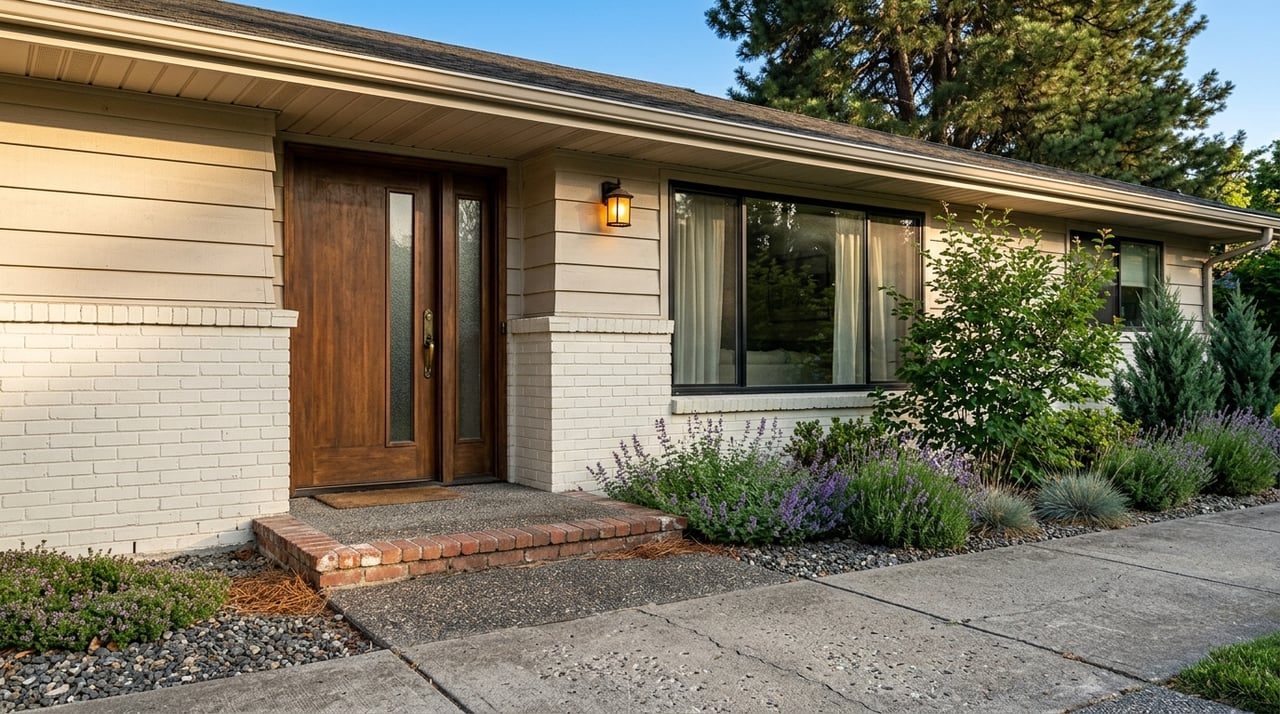
Established neighborhoods in Kennewick often include areas like Downtown, Bridge to Bridge, Metaline, and parts of Canyon Lakes. These areas tend to offer more mature surroundings, a more compact street pattern, and housing styles that reflect earlier decades of development.
You’ll often see ranch, bungalow, and midcentury-style homes in these neighborhoods. In Bridge to Bridge, homes are described as ranch and bungalow styles, while Metaline is known for largely single-story ranch homes. Canyon Lakes, while still established in feel, shows a median year built of 1998.
One of the biggest draws in established areas is character. Homes near the river and closer to central Kennewick often reflect midcentury ranch design or early-20th-century styles, and many of these neighborhoods also feature mature landscaping and sidewalks.
That can create a more rooted, lived-in feel that some buyers really value. If you like streets that feel less uniform and want a neighborhood with visual variety, established areas may stand out right away.
Established neighborhoods also appeal to buyers who want to be closer to long-standing community amenities. Bridge to Bridge sits beside Columbia Park and is about a half-mile walk to downtown, which adds convenience for buyers who want nearby recreation and mixed-use activity.
Columbia Park itself spans 363 acres along the river and includes 5.5 miles of trail. Downtown Kennewick also offers specialty shops, galleries, and other mixed-use destinations that can make nearby living feel connected and convenient.
Many buyers assume older neighborhoods automatically mean smaller lots, but that is not always true in Kennewick. Lot size varies by neighborhood, and some established pockets offer more yard space than you might expect.
For example, Bridge to Bridge has a median lot size of 7,840 square feet, Metaline comes in at 10,018 square feet, and Canyon Lakes reaches 10,890 square feet. That means some established neighborhoods offer a compact feel, while others provide fairly generous outdoor space.
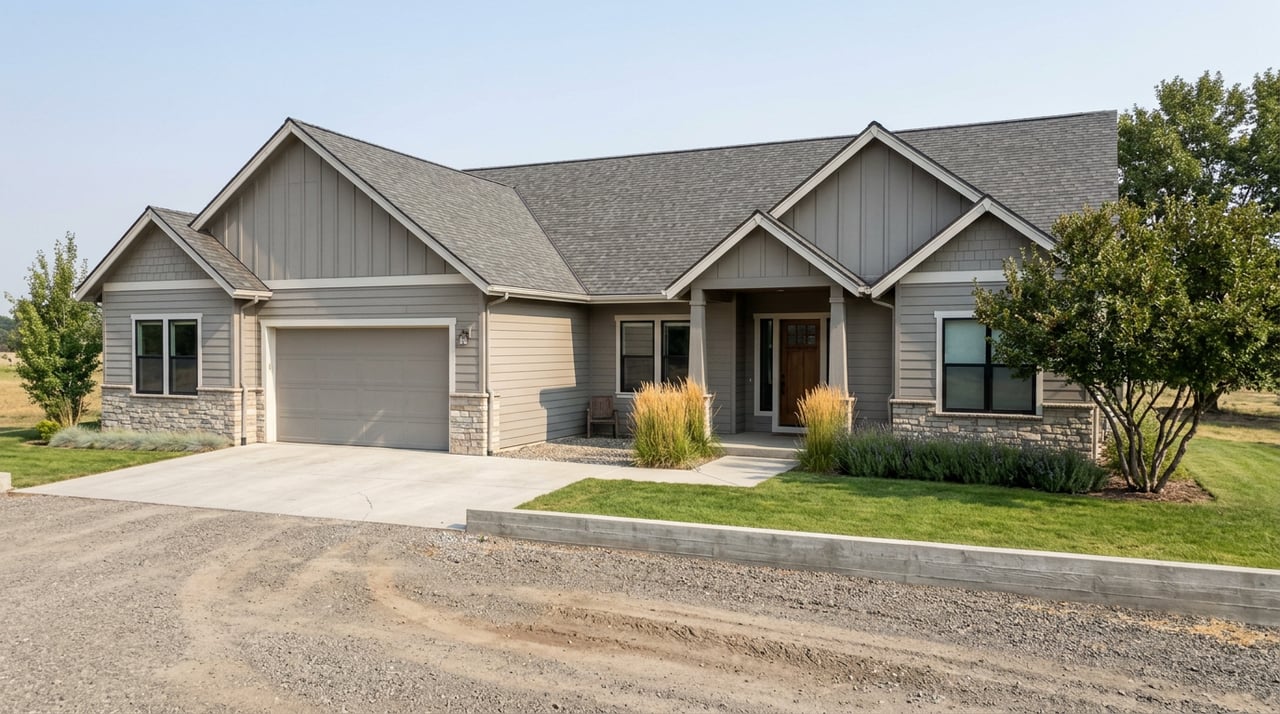
Newer growth in Kennewick is concentrated in places like Southridge, Hansen Park, and Sherman Heights. These neighborhoods often attract buyers who want newer construction, more contemporary layouts, and a more suburban development pattern.
In many cases, the appeal is simple. A newer home may require fewer immediate updates, offer a more current floor plan, and sit in an area planned around newer roads, services, and retail growth.
Southridge is one of the clearest examples of newer Kennewick growth. The city describes it as a growing southern gateway with salons, boutiques, dining, a hospital, one of Kennewick’s high schools, and a 52-acre sports and events complex that draws more than 100,000 visitors each year.
For many buyers, that concentration of newer amenities matters. Southridge also has access to Highway 395 and Interstate 82, which can make it especially appealing if you want convenient regional travel and access to major routes.
Newer neighborhoods usually lean toward more recent construction and a more contemporary suburban look. Hansen Park includes recently built homes, with ranch-style designs alongside larger New Traditional homes, while Sherman Heights offers new homes with three to five bedrooms and move-in-ready options.
If you want a home that may need less stylistic updating right away, these areas can be worth a close look. Buyers who prefer open layouts, newer finishes, and a more consistent subdivision design often feel at home in these neighborhoods.
It is easy to assume newer neighborhoods will always have much larger lots, but the data in Kennewick suggests the story is more nuanced. Hansen Park’s median lot size is 10,454 square feet, which is in the same general range as established neighborhoods like Metaline and Canyon Lakes.
In other words, the difference may be less about the raw size of the lot and more about how the neighborhood is planned. Garage placement, front-yard depth, street design, and whether the subdivision is still being built out can shape the feel of the area just as much as square footage does.
When you compare established and newer neighborhoods, maintenance is one of the most important parts of the conversation. A home’s age does not tell you everything, but it does give you clues about what may need attention sooner.
Older-home ownership often means planning for more near-term projects. The Census Bureau found that among owners of older homes, 59% of new owners who moved in within the last two years completed interior projects, and 27% made exterior improvements. Common updates included plumbing fixtures, flooring, windows, roofs, and decks.
That does not mean established homes are a poor choice. It means you should look beyond price and ask clear questions about upkeep, deferred maintenance, and major systems.
Newer homes often start from a more efficient baseline. The U.S. Department of Energy notes that DOE Efficient New Homes are built to rigorous efficiency and performance criteria, which can reduce the odds of facing major system replacements in the first few years, even though no home is maintenance-free.
The right neighborhood choice usually comes down to your priorities. In Kennewick, the decision is often less about whether old or new is better and more about which tradeoffs fit your lifestyle.
If you value established amenities, closer-in character, walkability to downtown-adjacent areas, or mature landscaping, an established neighborhood may feel like the right fit. If you prefer newer construction, access to newer retail and medical areas, and a more suburban layout near major roads, a newer neighborhood may make more sense.
As you tour homes in Kennewick, keep these questions in mind:
These questions can help you compare homes more clearly, especially when two properties look similar on paper but offer very different ownership experiences.
If you are torn between an established and newer neighborhood, try narrowing your search around three filters: location pattern, home condition, and daily routine. That approach often makes the decision less overwhelming.
Start with where you want to spend your time. If being near Columbia Park, downtown, or central Kennewick matters most, established neighborhoods may rise to the top. If access to Southridge amenities, newer services, and major commuter routes matters more, newer neighborhoods may be the better match.
Then compare how much work you want to take on after closing. Some buyers are comfortable budgeting for updates in exchange for character or location, while others want a more move-in-ready experience with fewer immediate projects.
Finally, think about how the neighborhood supports your normal week. The best fit is often the area that makes your everyday errands, recreation, and travel patterns easier, not just the one with the most appealing listing photos.
If you want help weighing those tradeoffs in Kennewick or across the Tri-Cities, Shana Brown offers hands-on, locally informed guidance to help you compare neighborhoods, tour strategically, and move forward with confidence.
Stay up to date on the latest real estate trends.
Get assistance in determining the current property value, crafting a competitive offer, writing and negotiating a contract, and much more. Contact me today.