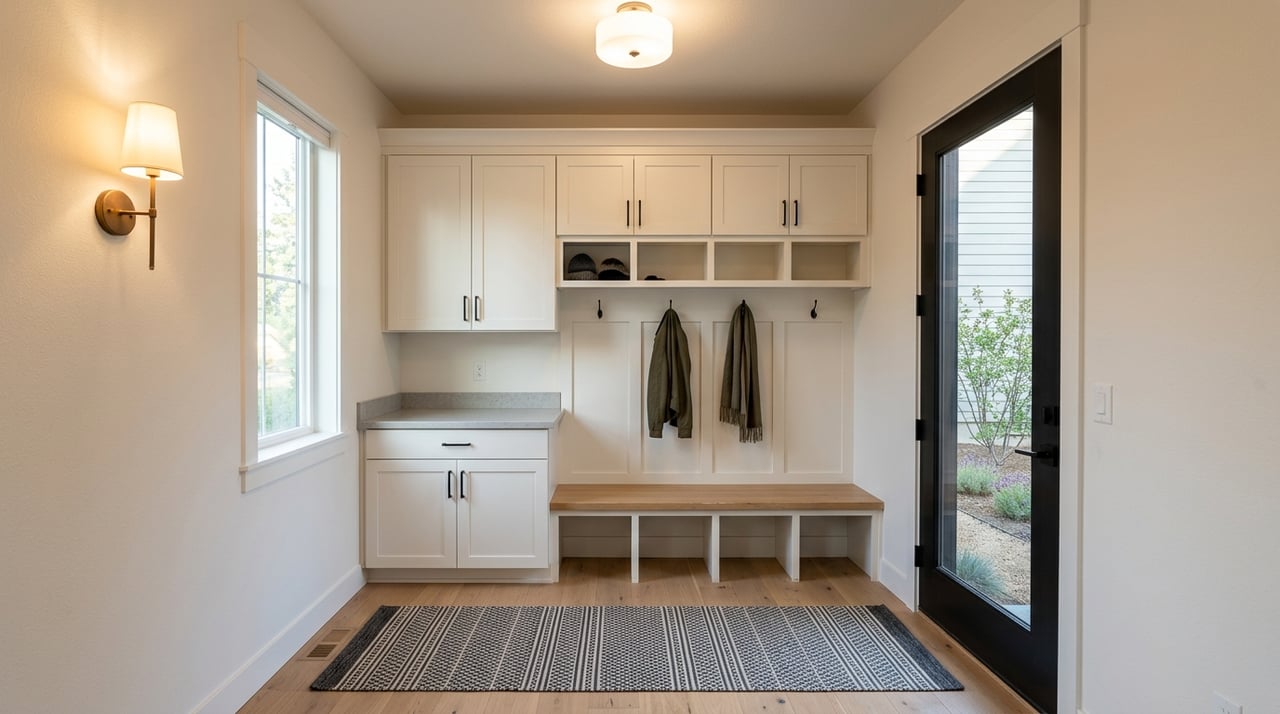
Pasco Move Up Buyer Guide for Buying and Selling
July 23, 2026
July 23, 2026
Feeling cramped in your current home but stressed by the idea of buying and selling at the same time? You are not alone. In Pasco, where many households are owner-occupied and the city continues to grow, upsizing often means making smart timing decisions, not just finding a bigger house. This guide will help you understand how to plan your next move with less guesswork, less pressure, and more confidence. Let’s dive in.
Pasco is not a stagnant market. The city’s estimated population reached 82,848 in 2025, up 7.1% since 2020, and the city’s planning documents show that local leaders are still actively preparing for continued growth, housing needs, and infrastructure changes.
That matters when you are moving up. In a growing market, inventory, timing, and buyer demand can shift while you are trying to sell one home and buy another. A low-stress move usually comes from a clear sequence and backup options, not from trying to perfectly predict the market.
Recent pricing data also shows why preparation matters. Public market snapshots placed Pasco home values in the low-to-mid $400,000 range, with Redfin reporting a median sale price of $439,000 and Zillow reporting a typical home value of $423,113 as of mid-2026.
Homes also move on different timelines depending on how the data is measured. Zillow reported a median days-to-pending figure of 16, while Redfin reported 55 median days on market for sold homes through May 2026. In plain terms, that means some homes attract offers quickly, but the full path to closing can still take time.
If your goal is to reduce stress, the first question is simple: should you sell first or buy first?
For many homeowners, selling first is the cleaner option. Consumer guidance from the CFPB notes that people who are moving often try to sell their current home before buying the next one, because it lowers the risk of carrying two full housing payments at once.
That approach can give you a firmer budget for your next purchase. It can also reduce the pressure of wondering whether your current home will sell fast enough to support the next step.
Still, sell-first is not the only path. If you need more flexibility, your strategy may include contingency terms, a rent-back, temporary housing, or early lender planning for short-term financing.
Selling first is often the easiest way to control your budget. Once your home is under contract or closed, you have a clearer picture of your proceeds, your monthly payment target, and how much room you have to move up.
This matters even more when you are buying a larger home. The CFPB also reminds buyers that homeownership costs include more than the mortgage. You also need to budget for repairs, property taxes, insurance, and any HOA dues that may apply.
If you are upsizing for more bedrooms, more outdoor space, or a newer home, those extra costs can add up fast. Knowing your numbers before you shop can help you avoid stretching too far.
Sometimes you find the right home before your current one sells. In that case, the key is not to panic. The key is to build a realistic plan with your agent and lender before you write an offer.
Bridge financing is one option some buyers discuss with their lender. The CFPB describes bridge loans as short-term loans, generally 12 months or less, that can help a consumer buy a new home while planning to sell the current one within a year.
The important takeaway is not the loan detail itself. It is the need to involve your lender early, because the lender will need to evaluate whether you can carry the current home, the new home, and any short-term debt during the overlap.
If you buy first without a clear financial plan, the process can become stressful quickly. A strong team conversation about timing, payment comfort, and fallback options can help you avoid that.
If you need to buy and sell in the same season, contract terms can help protect you. According to NAR’s consumer guidance, common tools include home-sale contingencies, home-close contingencies, continue-to-show language, kick-out clauses, and rent-back clauses.
These terms are not one-size-fits-all. They need to be negotiated clearly and tied to real dates, especially when your move depends on one transaction supporting the other.
This can make your purchase dependent on selling your current home. It may reduce your risk, but some sellers may prefer offers without that condition.
This can link your purchase to the successful closing of your current home. It creates more protection if your sale is already under contract but not finished.
This allows a seller to keep marketing a home while considering a contingent offer. It can give the seller flexibility, which may affect how your offer is viewed.
This can allow a seller to keep your contingent offer in place but accept a stronger offer unless you remove the contingency within a certain time. Clear deadlines are important here.
Even well-planned transactions do not always line up perfectly. Your current home may close before your next one is ready, or your purchase may move faster than expected.
That is why fallback planning matters. One of the best ways to lower stress is to decide in advance what you will do if the dates do not match.
A rent-back can be especially helpful in a move-up scenario, but it should never be left vague. The clearer the dates and terms, the smoother the transition tends to be.
In Washington, your move-up plan also needs to account for seller disclosure timing. Under RCW 64.06, sellers of most residential properties must deliver the disclosure statement after mutual acceptance, generally within five business days.
Buyers typically then have three business days after receiving that disclosure to approve or rescind. If the seller later learns information that makes the disclosure inaccurate, the statement must be amended, and the timing can affect the rescission window.
For you, this means an accepted offer is not the same as a fully settled timeline. Paperwork and legal timing can still shift the transaction, so your plan should leave room for that.
If you are selling your current home while preparing to buy, listing strategy matters from the start. In Washington, SB 6091 bars brokers from marketing residential properties only to an exclusive group of buyers or brokers unless the home is also marketed to the general public and other brokers, except in limited health or safety situations.
For sellers, that means broader public exposure is now the default. It is smart to discuss your marketing approach early so you understand how your home will be positioned and how that timing supports your move-up plan.
In a growing market like Pasco, broad exposure and clear pricing can play a big role in helping your home attract the right attention quickly. That can make the rest of your move easier to manage.
A move-up transaction has more moving parts than a standard sale or purchase. You may be juggling showings, lender conversations, inspections, closing dates, packing, and family logistics all at once.
That is why communication matters so much. Pasco is a diverse and growing community, and Census data shows that 53.0% of residents age 5 and older speak a language other than English at home. Clear, plain-language guidance helps reduce confusion and keeps everyone on the same page.
The best experience usually comes when your agent, lender, and closing timeline are discussed together, not separately. The CFPB’s mortgage-closing guidance also emphasizes coordinating the transition before closing and reaching out early if problems arise.
If you want less stress, focus on sequence first and house shopping second. The right plan depends on your finances, timing needs, and flexibility, but the basic framework is straightforward.
Upsizing in Pasco does not have to feel chaotic. With the right order of operations, realistic expectations, and a clear communication plan, you can move into your next home with a lot less stress.
If you are thinking about making a move in Pasco or anywhere in the Tri-Cities, Shana Brown can help you build a clear plan to sell, buy, and move forward with confidence.
Stay up to date on the latest real estate trends.



Get assistance in determining the current property value, crafting a competitive offer, writing and negotiating a contract, and much more. Contact me today.