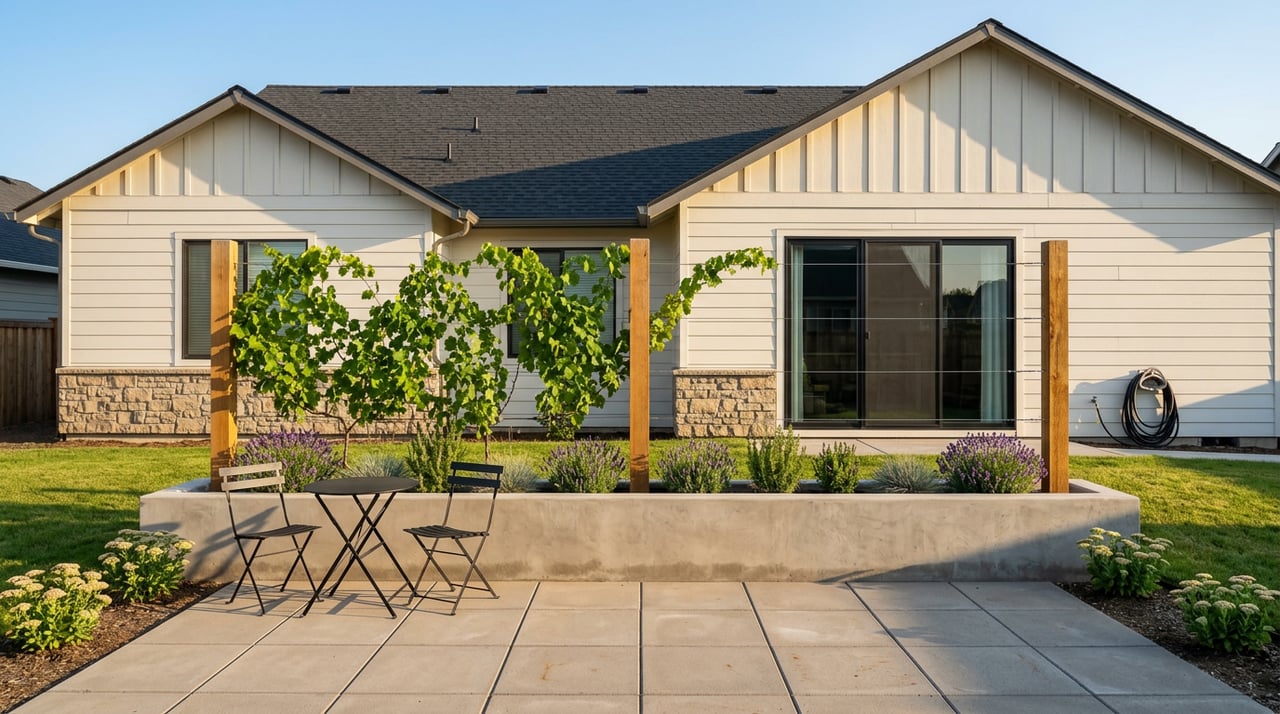
Prosser Wine Country Living: Guide for Homebuyers
March 24, 2026
March 24, 2026
Dreaming of waking up to vineyard views and a calendar full of tastings, markets, and small-town festivals? If Prosser has been on your radar, you are not alone. This Yakima Valley hub blends wine-country charm with practical access to I‑82 and nearby Tri‑Cities amenities. In this guide, you will learn what life feels like in Prosser, what types of homes and land are available, a quick market snapshot, and a clear buyer checklist tailored to wine-country living. Let’s dive in.
Prosser is the county seat of Benton County in south-central Washington, set in the Yakima Valley’s irrigated, semi-arid basin. The U.S. Census counted 6,062 residents in 2020, which helps explain the town’s approachable scale. You get a relaxed pace, a tight winery network, and easy highway connectivity to the Tri‑Cities and the regional airport.
Prosser has a dense cluster of tasting rooms, including Vintners Village and many walkable or short-drive options across town. You can preview producers and plan a day using the local wineries listing on the visitor site’s Where to Drink in Prosser guide. The Port of Benton also planned business parks that blend production and visitor spaces, including Vintners Village and the Prosser Wine & Food Park, as outlined in the Port’s comprehensive plan. This infrastructure makes it easy to sample multiple wineries without long drives.
Prosser’s wine identity is rooted in research and education. The Walter Clore Wine & Culinary Center shares Washington’s wine story through exhibits, tastings, and events. Nearby, Washington State University’s Prosser Irrigated Agriculture Research & Extension Center (IAREC) advances grower-focused science that benefits vineyards and specialty crops. If you imagine planting a hobby vineyard or buying acreage, the WSU Prosser IAREC is a valuable local resource.
You will find seasonal barrel tastings, wine and food fairs, and community festivals on the town calendar. The valley’s orchards and farms support farmstands, cideries, distilleries, and farmers markets, so you can pair tasting weekends with fresh, local food. Check the visitor site for current happenings and planning tips on the Prosser tourism page.
Prosser’s wine-country lifestyle maps to a few distinct property types. Each offers a different balance of convenience, space, and potential.
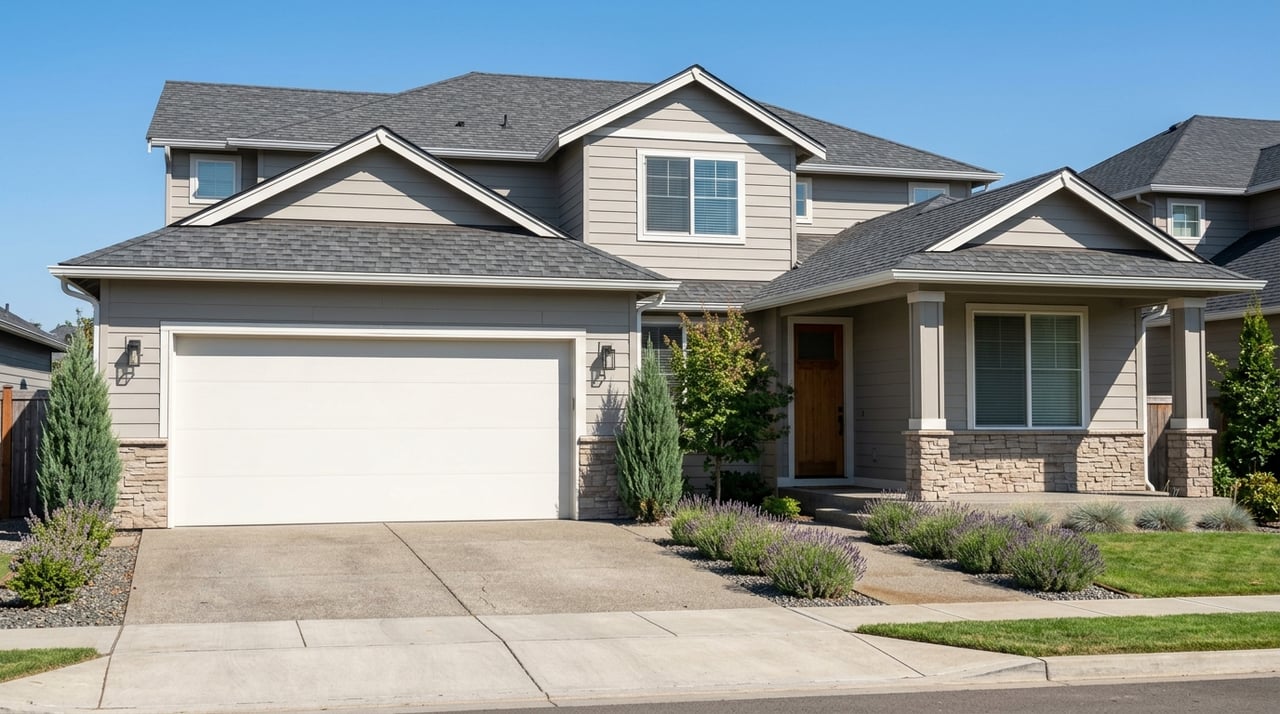
In-town homes
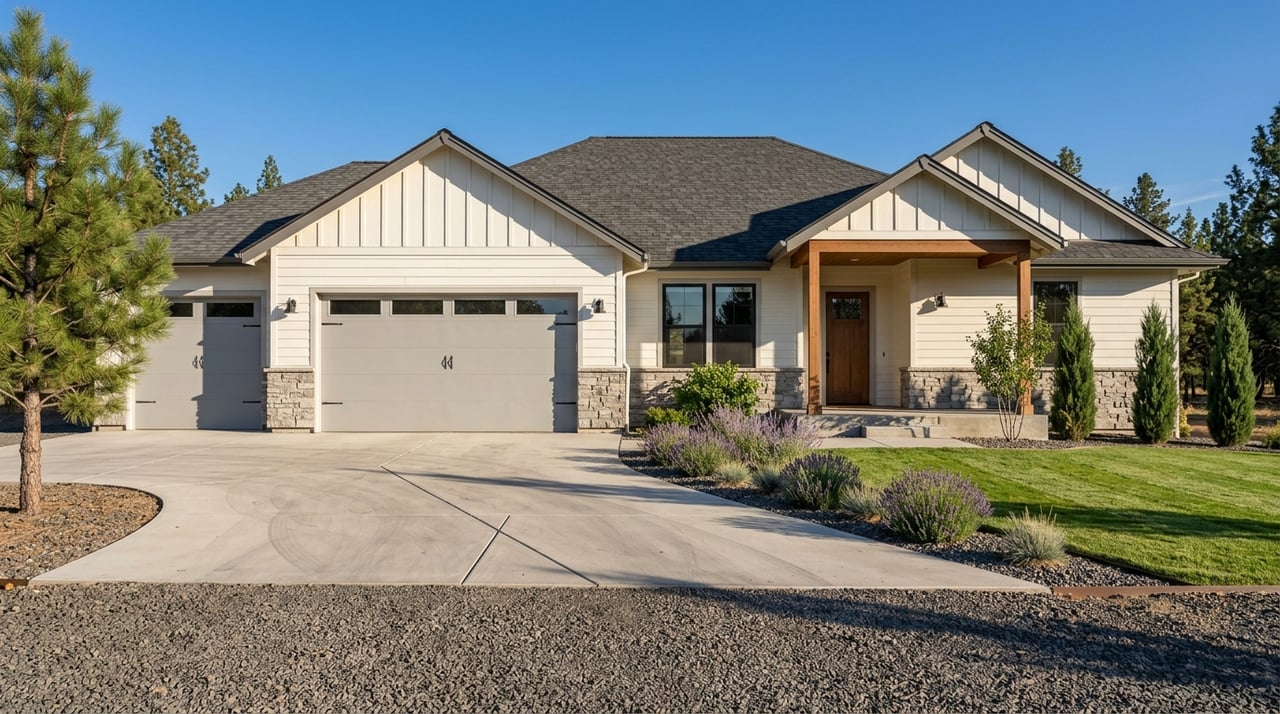
Acreage close to town
Vineyard-adjacent or agricultural parcels
Production or commercial sites
As of February 28, 2026, Zillow’s typical home value index for Prosser was about $411,000. Active listing prices can trend higher, and inventory is small by national standards, so numbers move quickly. Use this as a dated reference point and plan to verify current pricing with fresh MLS data and a local tour.
Wine-country properties come with unique checks. Here is what to confirm before you write an offer and why it matters.
Water rights and irrigation access
Zoning and permitted uses
Right-to-farm expectations
Soils, slope, and microclimate
Septic, sewer, and utilities
Licensing and compliance
Insurance and wildfire risk
Title, easements, and access
Start with a morning coffee and a stroll through downtown, then tour a classic in-town bungalow on a tree-lined street. Head to Vintners Village for a tasting loop, where multiple producers are within a short walk or drive, using the Where to Drink in Prosser guide to map stops. In the afternoon, visit an acreage property with shop space and canal access, and cap the day with exhibits and a flight at the Walter Clore Wine & Culinary Center. On day two, preview a vineyard-adjacent parcel and, if you have a business plan, review production-ready opportunities highlighted in the Port’s comprehensive plan.
Prosser can be a great match if you value wine-country culture, a strong agricultural backbone, and small-town convenience with quick highway access. You can choose a walkable in-town lifestyle or seek elbow room on acreage. If you want to explore vineyard potential or a wine-adjacent business idea, the local infrastructure and resources make due diligence realistic.
If Prosser is calling, a local, responsive guide makes all the difference. From in-town homes to irrigated acreage and vineyard-capable parcels, you deserve clear answers and a tailored search. Reach out to Shana Brown to talk timing, budget, and a property tour plan that fits your goals.
Stay up to date on the latest real estate trends.
Get assistance in determining the current property value, crafting a competitive offer, writing and negotiating a contract, and much more. Contact me today.