Richland vs West Richland Homes: Find Your Best Fit
February 5, 2026
February 5, 2026
Trying to decide between Richland and West Richland for your next move? You’re not alone. Both offer a great Tri‑Cities lifestyle, but the day‑to‑day experience can feel different depending on what you value most. In this guide, you’ll learn how the two cities compare on neighborhood feel, lot sizes, schools, commutes, new construction, and costs, plus how to verify details for any address. Let’s dive in.
Richland
West Richland
Richland offers a more urban‑suburban mix. You’ll find convenient access to shopping, restaurants, and services along with riverfront parks like Howard Amon Park and connected trail systems. Many neighborhoods are established, with mature trees and close proximity to schools and healthcare providers. If you like being near daily conveniences and community events, Richland delivers that rhythm.
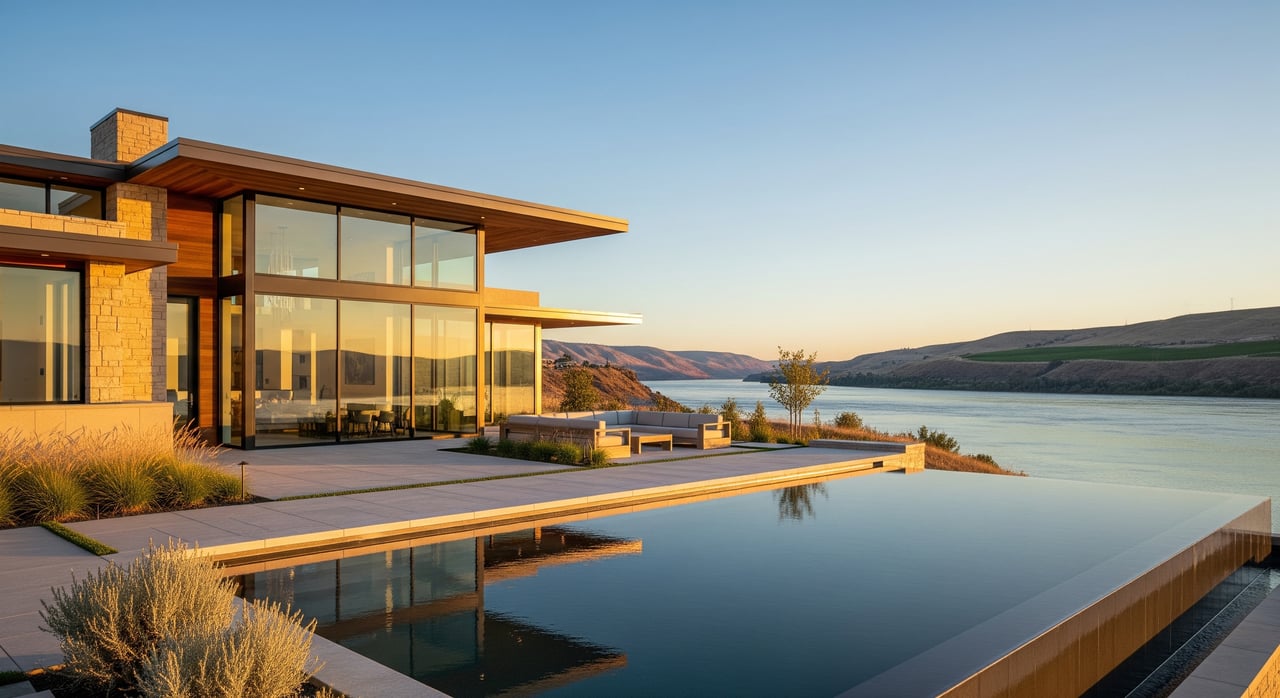
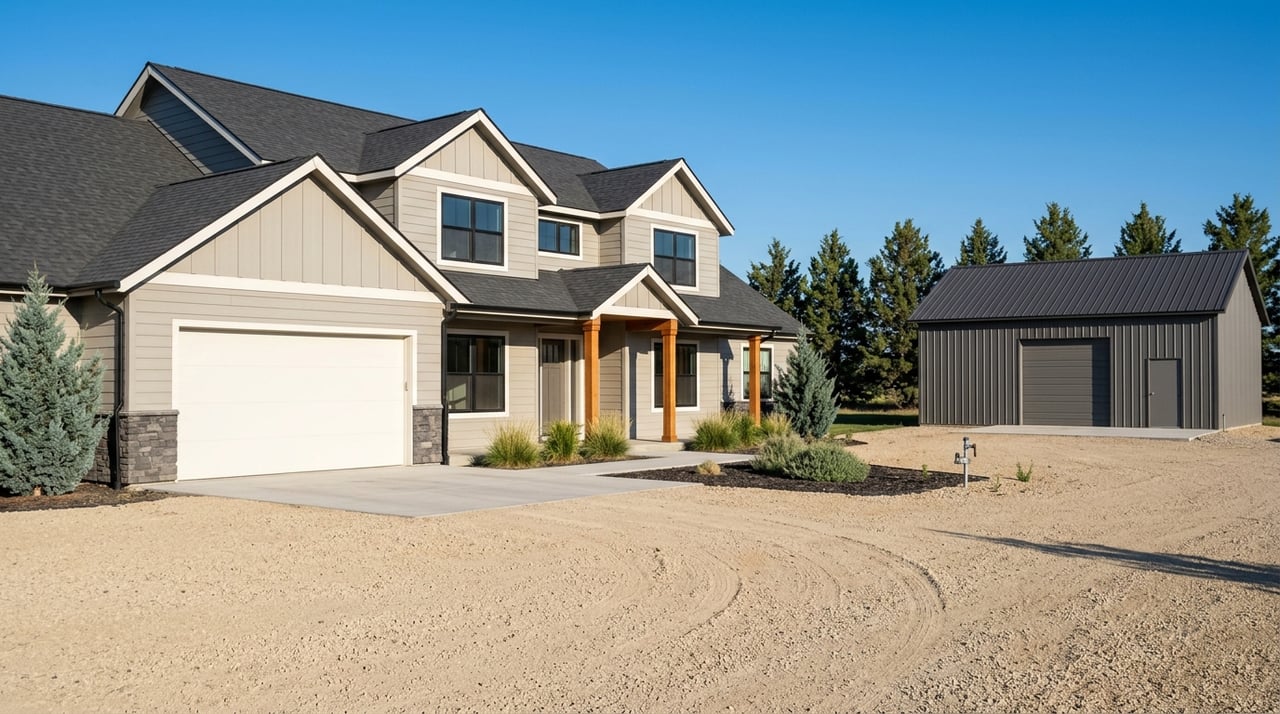
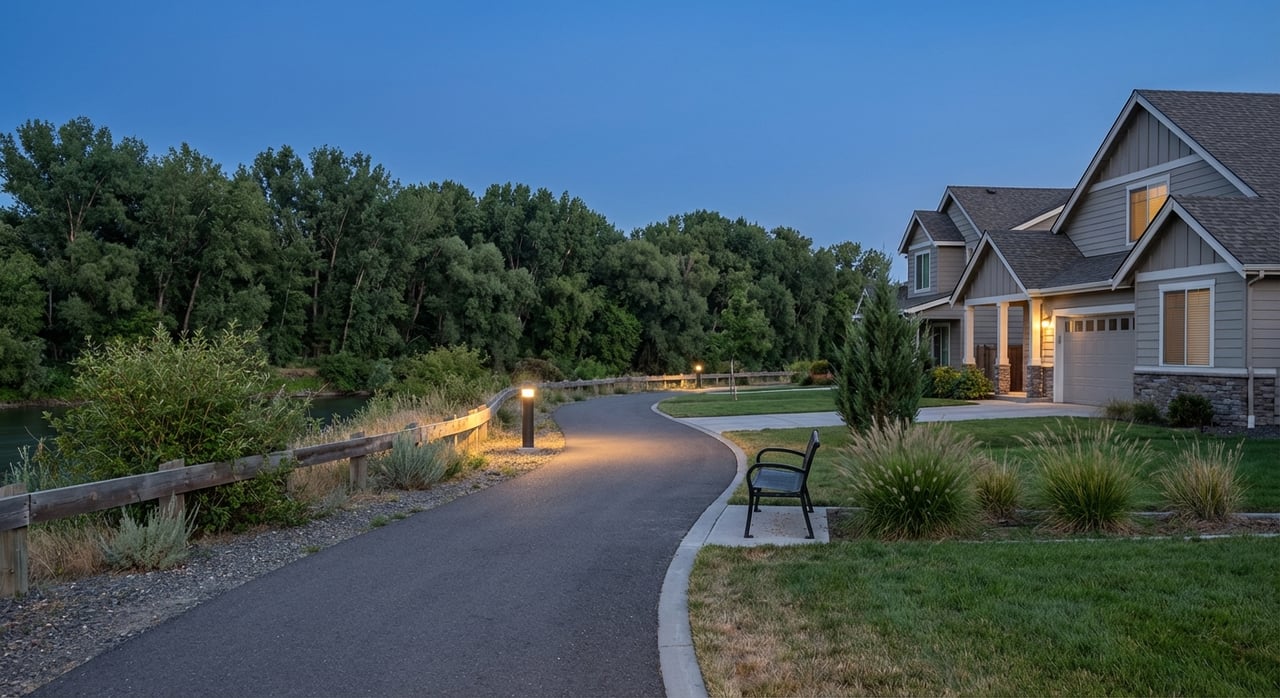
West Richland leans into a small‑town atmosphere with room to breathe. Much of the housing is newer, and many subdivisions offer wider streets and larger lots. Services are growing, but residents often pop over to Richland, Kennewick, or Pasco for broader shopping and dining. If you prefer quieter neighborhoods and space for outdoor hobbies, West Richland might feel like a better fit.
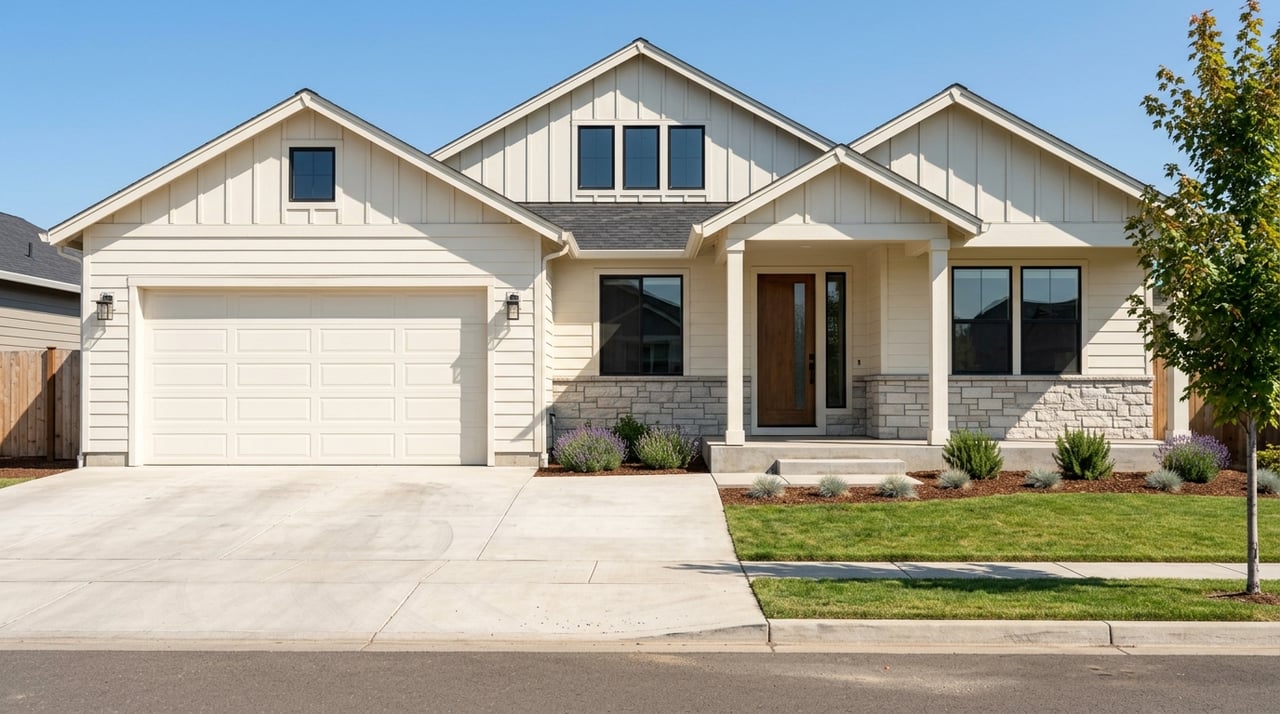
Richland’s housing spans mid‑century homes, infill properties, townhomes, and suburban subdivisions. Many lots in established areas are on the smaller side, often in the quarter‑acre or under range. Planned communities near Badger Mountain and the Horn Rapids area include a mix of single‑family homes and attached options. If you want lower‑maintenance living or to be closer to employers and the river, you’ll find more choices here.
West Richland offers a higher share of larger lots and newer construction. You’ll also see rural residential parcels and occasional small acreage on the edges of town. Buyers drawn to bigger yards or semi‑custom builds often start here. While total prices can be similar to Richland for a given square footage, you often get more land per dollar depending on the subdivision and location.
Many West Richland addresses are served by the Richland School District. Boundaries depend on the specific parcel, and they can change. School performance varies by individual school, and there are a range of programs across the district, including STEM pathways and Advanced Placement options with local industry connections.
If school assignment matters to you, confirm it for the exact address rather than relying on city name alone. New development can shift boundaries over time, and nearby streets can feed different campuses.
Driving is the primary mode of transportation across the Tri‑Cities. Most local commutes are moderate compared with large metropolitan areas, but peak traffic can affect key corridors.
If you’re planning to build, each city publishes permit checklists, fee schedules, and inspection steps. Typical milestones include pre‑application, site planning, utility coordination, building permit, and inspections. Impact fees and utility hookup costs differ by subdivision and city. Ask your builder for an itemized timeline and confirm city requirements early to avoid delays.
Property taxes vary by parcel and taxing districts, including city, county, schools, and special purpose districts. For accurate comparisons, review the county tax statement for each home you’re considering. For utilities, confirm whether a property is on city water and sewer or on well and septic, and factor in maintenance and inspection costs. If a subdivision has a homeowners association, request the covenants and monthly dues to understand rules and budget.
Check whether a property lies within a mapped floodplain, especially near river corridors, and review wildfire interface considerations on the edges of development. Premiums and requirements can vary by insurer. Your lender may require flood insurance if the property is in a designated zone.
Historically, Richland has often posted higher median prices for comparable square footage due to proximity to major employers, river access, and established neighborhoods. West Richland has offered larger lots and newer builds that can create strong value for space. Rapid growth has narrowed price differences at times. The Tri‑Cities market experienced notable gains from 2020 to 2022, followed by periods of cooling and adjustment.
For your decision, it’s best to compare 12‑month rolling medians for both cities, along with price per square foot and days on market. Use current reports the week you’re ready to decide, and focus on trend direction rather than one‑month snapshots.
Use this quick checklist to compare two homes you like, one in each city.
There isn’t a one‑size‑fits‑all answer. Richland tends to suit buyers who prioritize convenience to jobs, healthcare, and riverfront amenities, along with a wider range of housing types. West Richland often appeals if you value larger lots, newer construction, and a quieter neighborhood feel. Match those patterns to your budget and lifestyle, then confirm the details for specific addresses.
If you want a clear side‑by‑side view tailored to your needs, let’s map it out together. With local knowledge across both cities, I will help you weigh tradeoffs, verify the details that matter, and negotiate with confidence. Reach out to schedule a quick strategy call with Shana Brown and get a personalized plan.
Stay up to date on the latest real estate trends.
Get assistance in determining the current property value, crafting a competitive offer, writing and negotiating a contract, and much more. Contact me today.