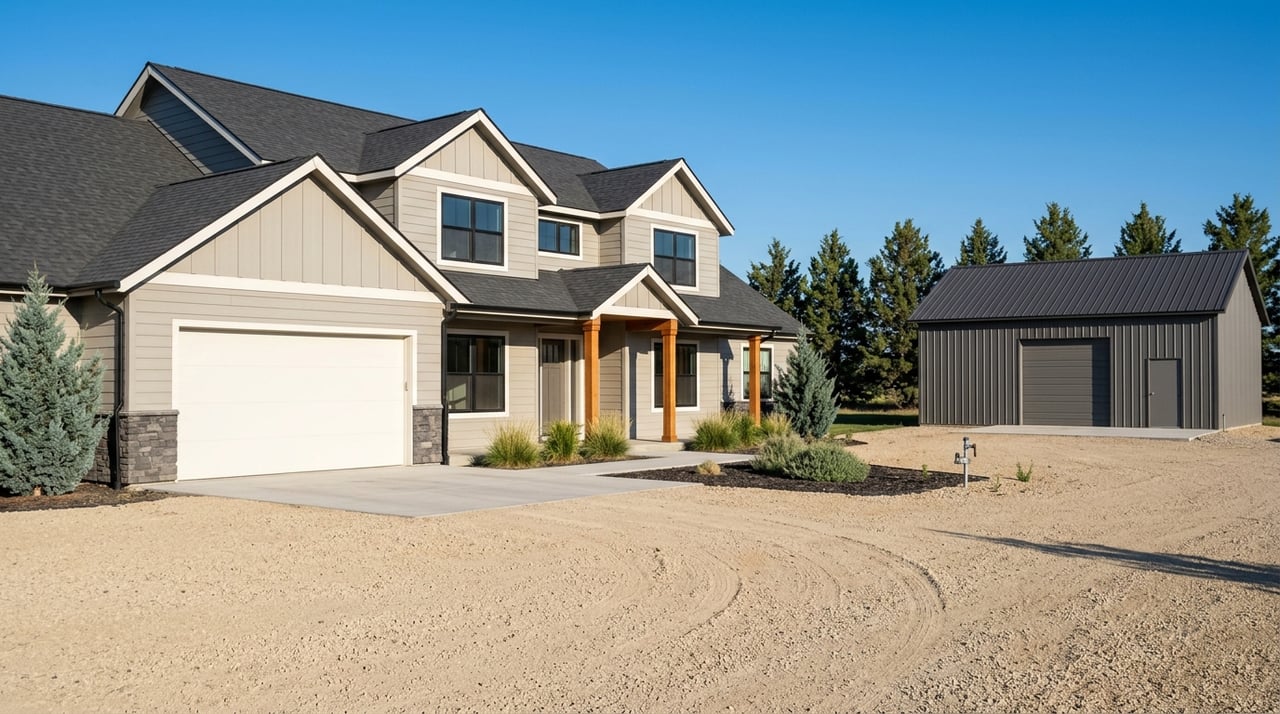
Smart Steps to Buying Acreage Near Richland WA
April 16, 2026
April 16, 2026
Dreaming about a little more elbow room near Richland or West Richland? Acreage can open the door to a custom home, a shop, a small farm setup, or extra outdoor space, but it also comes with more moving parts than a typical in-town home purchase. If you are thinking about buying land in the Richland area, the biggest wins usually come from checking the parcel’s jurisdiction, zoning, utilities, and septic or well path before you fall in love with a floor plan. Let’s dive in.
One of the most important things to know about buying acreage near Richland and West Richland is that the rules can change fast from one parcel to the next. A property may feel like it is “near Richland,” but still fall under West Richland or unincorporated Benton County.
That matters because each jurisdiction can have a different review process, zoning map, and development standards. Before you get too far into planning, check which local office actually governs the parcel. Richland encourages buyers to review its land-use and zoning resources, while Benton County Planning handles land-use planning for unincorporated property outside city limits.
Once you know the parcel’s jurisdiction, zoning becomes your next buildability filter. Zoning affects what you can build, how the property can be used, and whether your long-term plans fit the site.
In Benton County, rural districts include RL-1, RL-5, and RL-20. According to county zoning documents, RL-20 is intended to preserve rural open space and low-density homesites, while RL-1 is geared toward smaller parcels near urban growth areas or where earlier development created smaller lots.
The permitted uses can differ too. In county zoning, RL-20 allows uses such as a single-family dwelling, a manufactured home built after June 15, 1976, and agricultural uses, while RL-1 allows uses including a single-family dwelling and duplex. That means two parcels with similar size and location can have very different options.
West Richland also has its own zoning structure, including districts such as RL-40 and RL-20 on the city’s official zoning map. The city updated that map in October 2024 and later amended minimum lot-size standards for certain parcels served by on-site sewer, so it is smart to confirm the most current standards before writing an offer.
If you are hoping to build a barndominium, shop-house, or home with a large accessory structure, the label itself is not really the key issue. What matters is whether the parcel’s zoning, setbacks, lot coverage, and utility or septic path support the design you want.
Richland’s planning resources make that practical point clear in their zoning and development codes. In other words, the right question is not “Can I call it a barndominium?” but “Can this parcel legally support the dwelling and accessory space I want to build?”
If your plan includes a detached ADU or shop apartment in West Richland, there are additional standards to review early. The city’s Accessory Dwelling Unit Guide says the lot must be at least 15,000 square feet, both units must connect to city water, and if city sewer is unavailable, the proposal must be reviewed by BFHD.
Acreage buyers often focus on views, privacy, and layout first. Those things matter, but utility access is often what separates a promising parcel from a practical one.
Richland is a full-service city that provides electric, water, sewer, stormwater, garbage collection, and planning services. The city also operates four irrigation systems, and south Richland irrigation may be served by Badger Mountain, Columbia, or Kennewick irrigation districts, according to Richland utility information.
West Richland also provides water, sewer, stormwater, garbage, and irrigation where available, while electricity is supplied by Benton REA. The city states that irrigation is mostly through Columbia Irrigation District, with a smaller area served by Kennewick Irrigation District, as outlined on its utilities page.
For acreage, irrigation deserves special attention. Availability can vary by parcel, so you will want to verify:
Richland’s irrigation information is a good reminder that irrigation is not just a nice extra for many rural-style properties. It can shape both your budget and how you use the land.
For unincorporated parcels, the hidden due-diligence layer is often water and sewer planning. A lot may look buildable on the surface, but the real test is whether the site can support a home, septic system, and water source together.
The Benton-Franklin Health District permits, oversees design and installation, and inspects on-site septic systems with flows under 3,500 gallons per day through its on-site sewage program. If a parcel will not connect to city sewer, septic feasibility should move to the top of your checklist.
Wells also come with rules and practical limits. Washington Ecology states that permit-exempt wells can support domestic use up to 5,000 gallons per day, plus limited lawn or garden irrigation, but local water-right and basin rules may still add limits or fees. Their groundwater permit exemption guidance is a helpful starting point.
Private well water quality matters too. BFHD recommends that private well owners test drinking water at least once a year for coliform bacteria and nitrate, and test for arsenic at least twice while owning the well, according to its private well guidance.
A simple way to think about it is this: a parcel is not truly build-ready until you know the well, septic drainfield, and building footprint can all fit and work together.
Even if a property looks straightforward, new construction and major improvements typically require permits and inspections. Richland and West Richland both require permits for many projects, and Benton County handles land-use planning for county property.
Richland outlines permit and inspection requirements through its permits and inspections department. Benton County also notes that code enforcement addresses issues such as zoning violations, construction without permits, grading or excavation, filling, and illegal placement of mobile homes, which makes early compliance especially important.
Before you hire a builder or specialty contractor, check registration with Washington Labor & Industries. The state’s contractor registration guidance recommends confirming that the contractor is registered, bonded, insured, and free of outstanding infractions.
If you are considering buying acreage near Richland or West Richland, here are the key questions to answer before moving forward:
Buying acreage is exciting, but it is not always simple. In this part of Benton County, a parcel’s value often depends as much on jurisdiction, utilities, and feasibility as it does on size or location.
That is why it helps to work with someone who understands the Tri-Cities land market and can help you ask the right questions early. If you are exploring acreage, buildable lots, or barndominium-friendly properties near Richland or West Richland, Shana Brown can help you evaluate the details, avoid costly surprises, and move forward with confidence.
Stay up to date on the latest real estate trends.
Get assistance in determining the current property value, crafting a competitive offer, writing and negotiating a contract, and much more. Contact me today.